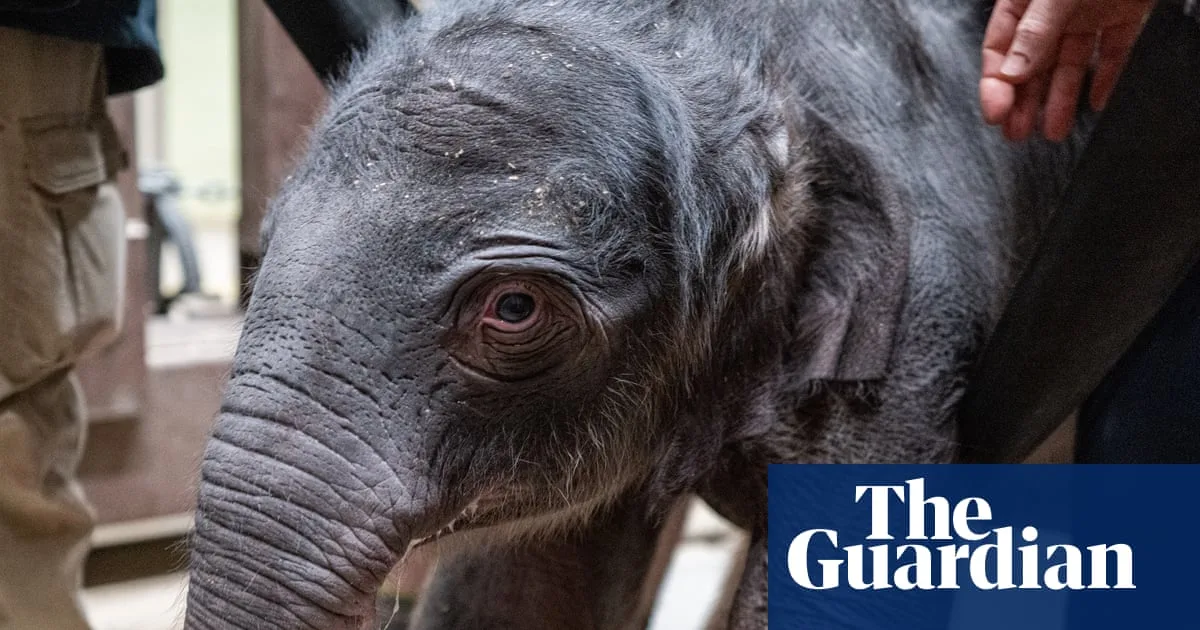
In a momentous event for wildlife conservation, the Smithsonian's National Zoo in Washington DC has announced the birth of a healthy Asian elephant calf. The arrival represents a critical success for breeding programmes aimed at safeguarding this endangered species from extinction.
A Milestone for Elephant Conservation
The newborn calf, whose gender has not yet been publicly disclosed, was delivered after a gestation period of approximately 22 months. Zoo officials report that both the mother and calf are in good health and are being closely monitored by a dedicated team of veterinarians and animal care specialists. This birth is part of a coordinated effort across zoological institutions to maintain a genetically diverse population of Asian elephants, whose wild counterparts face severe threats from habitat loss and human-wildlife conflict.
Significance for the Endangered Species
Asian elephants are classified as endangered on the IUCN Red List, with an estimated population of fewer than 50,000 individuals remaining in the wild. The birth at the National Zoo contributes to the North American population managed under the Species Survival Plan, a collaborative programme designed to ensure the long-term viability of the species in human care. Experts emphasise that such births are vital for raising public awareness and funding conservation initiatives in the elephants' native habitats across Asia.
Behind the Scenes at the Zoo
The National Zoo has a long history of elephant care and research, with this latest addition joining a small herd that includes the mother and other related individuals. The zoo's facilities are specifically designed to mimic natural environments, providing ample space for social interaction and behavioural enrichment. Staff have implemented a round-the-clock watch to ensure the calf's wellbeing, focusing on nursing, bonding with the mother, and gradual integration into the herd's social structure.
Future Prospects and Public Engagement
While the calf will remain off public view for several weeks to allow for critical bonding time, the zoo plans to share updates and potential naming opportunities through its digital platforms. This event underscores the role of modern zoos in species preservation, combining expert care with scientific research to address global biodiversity challenges. Visitors to Washington DC can look forward to eventually seeing the new arrival, which serves as a living ambassador for its endangered kin in the wild.