Arctic Photographers Stunned as Calm Wolves Approach on Ellesmere Island
Arctic wolves' calm encounter stuns photographers

Professional photographers working in the remote high Arctic have shared an astonishing and serene wildlife encounter that has captivated millions online.

A Serene Arctic Encounter

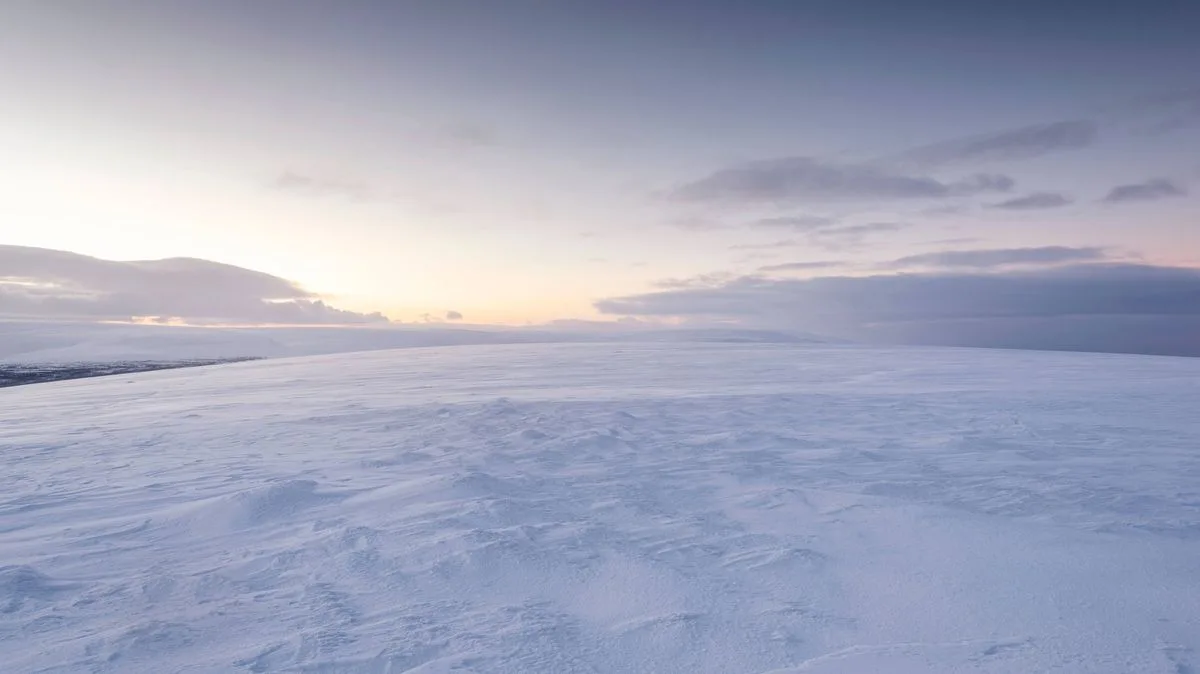
The remarkable incident took place near the Eureka research base on Ellesmere Island, to the west of Greenland, within the Arctic Circle. Terry Noah, owner of Ausuittuq Adventures, and his colleagues were lying on the ice when they received unexpected visitors.

Footage shared on TikTok, which has amassed a staggering 24 million views, shows a pristine white Arctic wolf cautiously approaching the group. A second wolf soon follows, and both animals exhibit a remarkably calm demeanour.

The wolves sniffed the air and the photographers' equipment, seemingly curious rather than threatened. At one point, one of the wolves lay down briefly beside the humans before both animals continued on their way, utterly unbothered by the close proximity.

Photographer's Joy and Expert Insight

Speaking to his Instagram followers, an elated Terry Noah described it as "one of the best experiences I ever had." He added, "the Arctic wolf was so calm felt like I can pet it."

He detailed that the team had earlier watched the wolves hunt, noting they were unsuccessful in catching a seal sunbathing on the ice. The wolves later found and fed on a seal carcass before their memorable approach.

Reactions to the video varied from awe to informed commentary. One user suggested the alpha wolf was marking the scent, while another, claiming Alaskan experience, clarified that wolves are typically "shy and curious" rather than friendly, warning that "friend shaped things aren't always friendly."

The Unique Nature of Arctic Wolves

According to The International Fund for Animal Welfare (IFAW), Arctic wolves are nocturnal pack animals with a distinct social structure led by an alpha. Their extreme habitat has shaped their unique behaviour.

IFAW notes that Arctic wolves often show little fear of humans, unlike their southern relatives. This is because their harsh, isolated environment has largely shielded them from hunting and habitat displacement—until now.

The organisation warns that climate change and increasing industrialisation in the Arctic pose a significant future threat to the species and its fragile ecosystem, potentially devastating their pristine habitat.




