
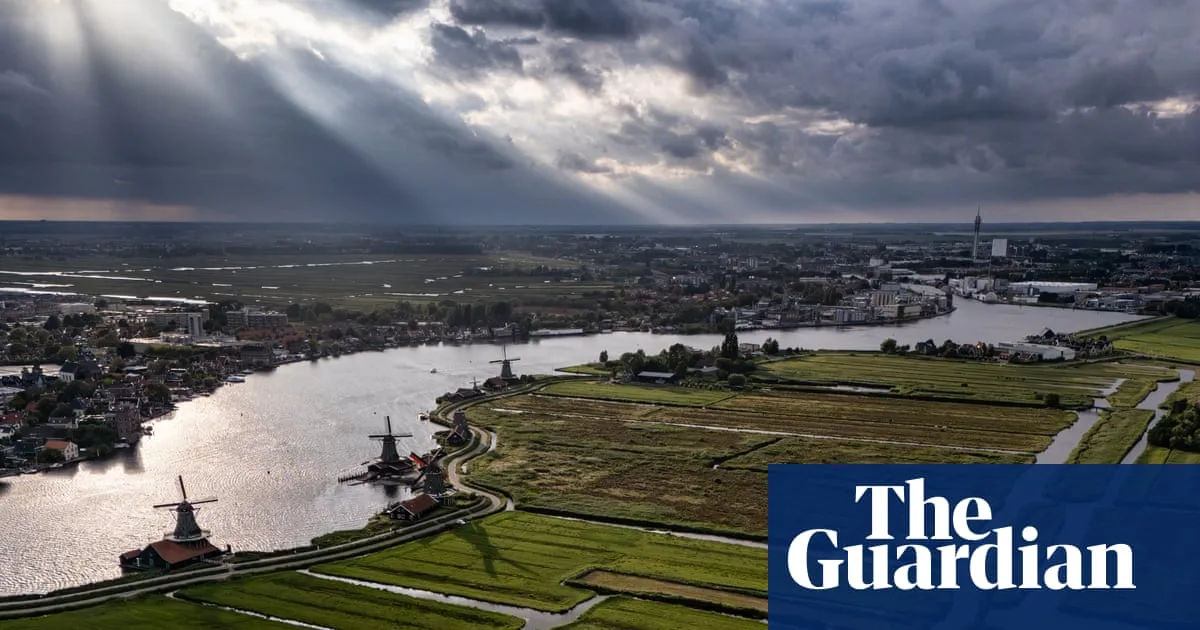
As climate change accelerates sea level rise, the Netherlands is embracing a new philosophy of 'meebewegen'—learning to live with water rather than fighting it. This shift is exemplified by the development of sustainable floating neighbourhoods, designed to withstand flooding while addressing the country's acute housing shortage.
Nearly a third of the Netherlands lies below sea level, and almost 20% of its land has been reclaimed from the sea. Historically, the Dutch have battled water through massive engineering projects like the Delta Works and the Afsluitdijk. However, after the 1953 flood that killed over 1,800 people and the near-disaster in 1995, the government launched the 'Room for the River' programme, allowing certain areas to flood during heavy rain.
Modern floating homes are a far cry from traditional Dutch houseboats. These architect-designed dwellings are part of entire waterborne neighbourhoods, equipped with solar panels, heat pumps, rooftop gardens, and advanced sewage systems. Existing districts like Schoonschip and IJburg near Amsterdam showcase this innovation.
With a shortage of 400,000 homes and a need for one million by the mid-2030s, floating homes are seen as a solution. They can be built in 'Room for the River' zones, which are expected to flood in the future, offering a way to combine housing with climate adaptation.
Henk Ovink, former government water envoy, stated: 'Water is the enabler—if we understand its complexity, value it comprehensively and manage it inclusively. Then, water becomes the leverage for sustainable development.' The Netherlands' floating homes may serve as a model for other coastal nations facing similar challenges.




