
For most, the idea of hunting and gathering is a thing of the past, however, the Covid-19 crisis is causing some to turn to the natural food resources that lie in their back gardens.
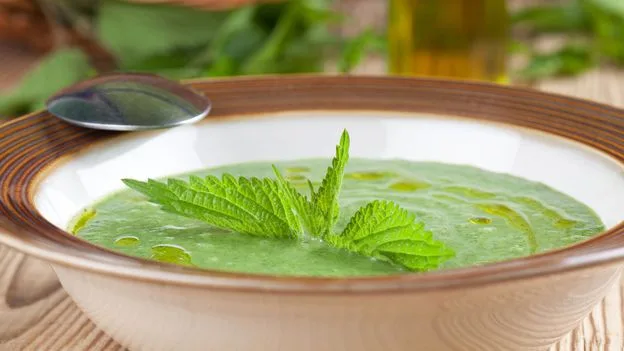
It was an unusually hot April morning in Colchester, England, and the fields, now in full bloom, were bursting in brilliant yellows, whites and purples. Armed with a wicker basket and David Squire’s book Foraging for Wild Foods, I scanned the Essex countryside for the ingredients to my first-ever foraging taster menu: stinging nettle soup; gnocchi with dandelion leaf pesto; wild garlic and stinging nettle ravioli; and, for dessert, dandelion flower cookies.
As a travel journalist who often writes about lesser-known foods, the part I miss most about travelling is trying some of the world’s most unusual ingredients. Before the Covid-19 lockdown, I enjoyed nothing more than feasting on sizzling stigghiola (chargrilled veal intestines) on a street food tour in Sicily, or learning how to prepare ahuautle, an ancient ingredient once eaten by Aztec emperors, in Mexico City. For a short while, home-cooking tacos al pastor or pasta alla norma satisfied my hunger for international flavours.
But there was something missing, and that was the excitement of going out into the world in search of not just recipes, but a culinary adventure. And that’s when, for the first time since my childhood, I (re)discovered the art of British foraging.
The earliest memory I have of foraging is picking wild blackberries with my grandmother. Our quest for England’s sweetest wild fruit led us to our local park in Banstead, Surrey, a small patch of green which, between August and October, would burst with swollen blackberries. Under strict instructions, I’d carefully manoeuvre my way around the thick, sharp brambles, my eyes scanning for the darkest and shiniest berries of them all. My grandmother had learned from her mother – who, as a young evacuee during World War Two, would forage wild fruits and plants as a supplement to the meagre food rations – that the plumper, darker berries were the sweetest. Those juicy crimson-purple morsels would often be turned into blackberry crumble, the perfect sweet finish to a Sunday roast dinner.
The ritual of summer blackberry picking continued throughout my childhood. But, once I left home to start my adult life in London, foraging for wild foods became nothing more than a nostalgic memory. For the entirety of my university years, most of my ingredients – if not all – came plastic-wrapped from a supermarket in New Cross Gate. I didn’t know it at the time, but it would take a global pandemic – and a yearning to recreate my foodie adventures from around the world – for me to dust off my foraging basket and enjoy the beautiful Essex countryside that I’m lucky enough to have right on my doorstep.




