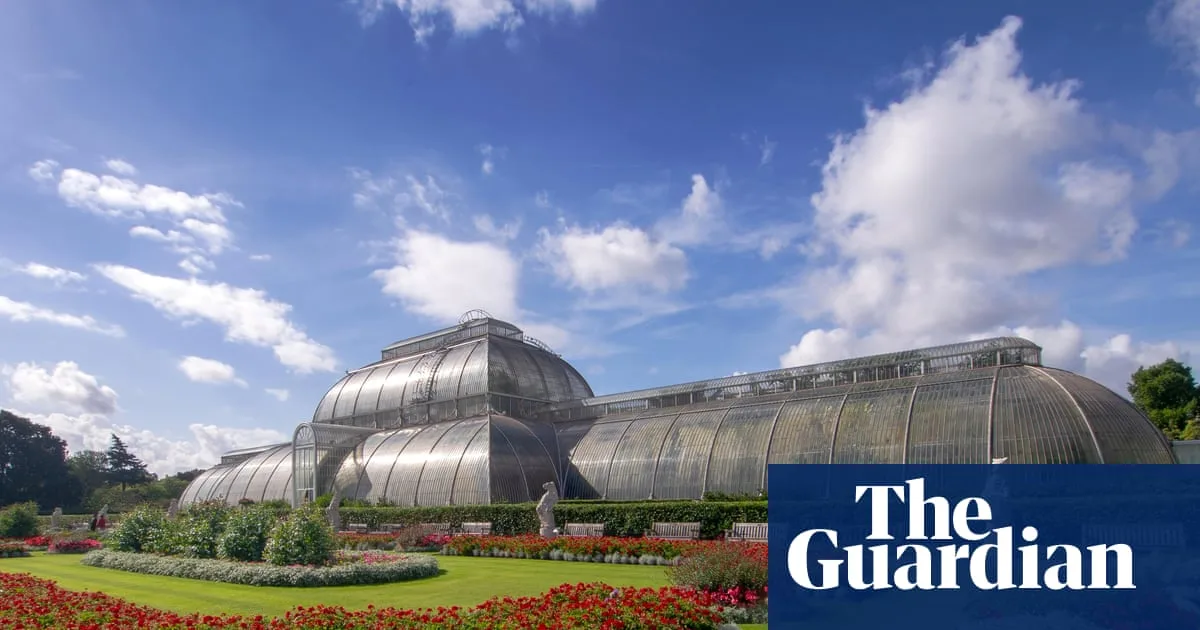
The Palm House at the Royal Botanic Gardens, Kew, is to close for five years as part of a £50m project to transform the historic glasshouse into the world’s first net zero structure of its kind. The Grade I-listed Victorian building, which has been a centrepiece of the gardens for more than 175 years, will undergo extensive renovations to eliminate its carbon emissions.
More than 1,300 plants, including the world’s oldest potted plant, a 249-year-old Encephalartos altensteinii, will be temporarily relocated to make way for the work. Among the collection are 45 species on the brink of extinction, which will either be carefully moved or propagated to ensure their survival during the refurbishment.
The project involves replacing all 16,000 panes of glass, which will be recycled, and repairing the wrought-iron frame before coating it with a high-tech waterproof paint in the exact shade of white used when the Palm House opened in 1848. The building’s outdated gas-fired boiler system and leaky pipework will be replaced with air source and water source heat pumps.
According to the gardens’ annual report, Kew contributed £369m to the UK economy in 2023. The Palm House and its adjoining Waterlily House account for more than a fifth of Kew’s carbon emissions, and the renovation is part of a wider strategy to make the site climate positive by 2030, with energy use across the 200-hectare estate expected to fall by 49%.
Tom Pickering, head of glasshouse collections at Kew, said: “At the heart of this project is the need to protect the extraordinary plant collections housed in the Palm House and Waterlily House. Achieving net zero in these historic buildings is an unprecedented task, a complex challenge which must consider the interplay of horticulture, climatic control, engineering, and architecture.” The redesigned interior will include improved accessibility and additional seating. Planning permission has been submitted, with funding from central government, the Julia Rausing Trust, the World Monuments Fund and other donors. Work is expected to begin in 2027, subject to approvals.