London's Inclusive Ramadan Movement Faces Threat as Key Venue Withdraws
During the previous Ramadan period, something quietly profound unfolded across London. In a year when public debate hardened into opposing camps over the war in Gaza, when surveys indicated half of the UK population believed Islam was incompatible with British values, and when Islamophobia intensified amid Reform UK's rising poll numbers, hundreds of Muslim Londoners gathered nightly. They built the kind of community and connection many had assumed was lost to modern societal fractures like doomscrolling, streaming services, rampant individualism, and the cost-of-living crisis.
A New Model of Community Emerges
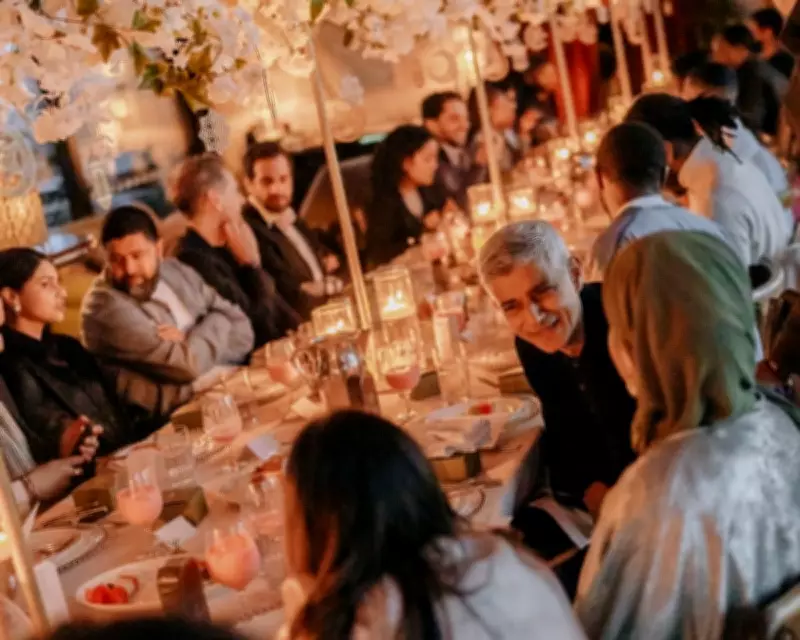
For an entire month, Muslims across the capital organised iftars—the evening meals that break the daily fast—that embodied the inclusive world they aspire to inhabit. These gatherings were often female-led, explicitly queer-friendly, and celebrated genuine diversity, all rooted in a spirit of profound generosity. This created communities free from judgment, operating outside traditional mosque settings and avoiding performative displays of piety.
While this description may sound earnest, participants report these were among the most vibrant and energising events of the year. Communities like Ramadan Space, which grew organically on WhatsApp, secured a venue in Shoreditch and hosted sold-out nights throughout the holy month. For many, these events became essential rituals—a wholesome blend of eating, prayer, and love that one hijabi student described as feeling "like oxygen" during a period when it was difficult to come up for air.

The Grassroots Ecosystem Flourishes
The movement extended far beyond a single group. The Inclusive Mosque Initiative held feminist prayers in a south London church. The Shukr event brought together London's Muslim creatives at 180 The Strand, attracting figures like rappers Krept and Konan and London Mayor Sadiq Khan. Other initiatives included Faith & Flow, a wellness workshop combining movement with meditation, and Palestine House, which became a hub for political solidarity and spiritual Sufi dhikr ceremonies.
Hulm Club, a Muslim coworking space for tech professionals, opened in Farringdon. Rumi's Cave in north-west London operated as a unique community hub, with its affiliated Rumi's Kitchen providing meals for hundreds of vulnerable, homeless, and isolated local residents. This energy also sparked new interfaith ventures like Karrom Club and Kismet Cafe. Throughout, the core tenets of Ramadan—charity, fundraising, and volunteering—remained central, emphasising compassion and empathy.
The Critical Importance of Third Spaces
One does not need to be a sociologist to recognise the immense value of these "third spaces"—environments separate from home and work. The social and cultural benefits of spontaneous meet-ups and sharing meals with people from diverse backgrounds are undeniable. There is a palpable hunger for meaning and purpose among young Muslims who are innovating beyond the traditions of their elders in inspiring ways.
While Ramadan has always centred on community, family iftars, and spiritual introspection, last year's movement felt distinctly different. It represented a break from tradition that was fresh, open, and desperately necessary. London, often perceived as harsh and transactional, draws its dynamism and creativity from the margins—from people employing a DIY, punk spirit that has historically influenced wider culture.
A Crushing Blow to Grassroots Organising
This is why the recent news that Ramadan Space's venue has withdrawn for the upcoming Ramadan feels particularly devastating. At present, the physical space to gather will not be available this year. The founding committee is urgently seeking an alternative location, appealing to any potential benefactors, but the loss represents a significant setback for grassroots community building.
It might be tempting to dismiss this cancellation as a mere logistical hiccup or an administrative problem affecting a minority on the fringes. However, this perspective misses the crucial point: what is under threat is a model of belonging that many from all backgrounds desire and that Londoners urgently need.

Amid endless discussions about social cohesion, resilience, mental health crises, loneliness epidemics, and political polarisation, it makes little sense to allow the very spaces that soften these hard societal edges to vanish. As Ramadan approaches once more, the question remains: what kind of community do we wish to foster? Community is not a passive occurrence; it is actively built, night after night, by people choosing to come together. In any month, on any day, we should be striving to create space for such connection, not allowing it to disappear.