Amidst the concrete sprawl of Australia's growing cities, a quiet revolution is taking root. Small, often overlooked green spaces are emerging as vital sanctuaries for the nation's wildlife, offering a lifeline to hundreds of species on the brink.
The Unlikely Urban Sanctuaries
Conservation biologist Dr Kylie Soanes from the University of Melbourne highlights a surprising truth. Nearly 400 threatened species now reside in Australian cities and urban areas, finding refuge not in vast wilderness reserves, but in the modest green patches woven into the urban fabric.
These critical habitats are frequently the spaces we pass by without a second glance: narrow vegetation strips lining railways and roads, shrubs huddled near car parks, and greenery beneath powerlines. They are joined by the collective effort of verge gardens, private backyards, and even balcony pots in creating a connected network for nature.

"They can turn a suburb from being somewhere that's hostile for nature to somewhere completely livable," Dr Soanes explains. Each individual patch may provide just food, shelter, or water, but when combined, they transform the entire landscape into a functioning habitat.
Starting Local: From Knowledge to Action
The journey to support urban biodiversity begins with simple observation and local engagement. Soanes advises residents to start by learning about the unique plants and animals that share their neighbourhood. Council websites often list local environmental groups, which are treasure troves of on-the-ground knowledge and always welcome volunteers for planting and weeding projects.
When selecting plants, local nurseries and guides are invaluable for identifying native species suited to the area. However, urban soils present a unique challenge, often being heavily compacted. Loosening the soil and applying mulch before planting can significantly improve conditions for growth.
Soanes also offers a pragmatic shift in perspective for conservation efforts. Rather than aiming to perfectly restore a historical ecosystem, she suggests asking, "How can I make this place better for nature?" This approach can be more achievable and equally impactful.
Transforming Shared Spaces and Building Corridors
For those with limited outdoor space, the power of small additions should not be underestimated. "Don't underestimate the power of a pot of native plants and a birdbath," Soanes emphasises, noting that food and water sources are critically scarce in urban environments. Installing nest boxes can also provide safe breeding sites for birds, sugar gliders, and insect-devouring microbats.
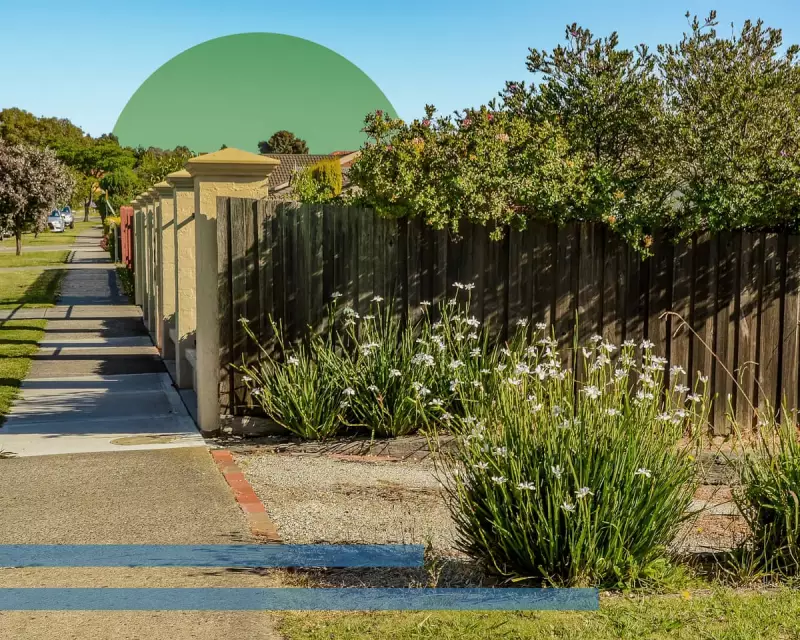
Street-side gardens are another powerful tool. Replacing water-thirsty lawn with native plants cools suburbs, conserves water, and creates pathways for species movement. A stellar example is the Melbourne Pollinator Corridor, a community-led project that has transformed roughly 1,800 square metres of public land across four suburbs. This initiative connects larger green spaces and is now buzzing with native insects like blue-banded bees.
Research from the University of Melbourne has further supported this movement by developing a "plant palette" and pruning techniques for creating low-maintenance 'woody meadows'. These guidelines, which promote flowering and suppress weeds, have been adopted to enhance over 59 sites including roadsides, roundabouts, and railway sidings.
On a larger scale, communities are banding together to amplify their impact. One initiative is creating "glideways" in the Great Eastern Ranges, linking bush regeneration sites to form safe corridors for sugar gliders. This reconnects fragmented forests, bolstering population health and resilience against threats like bushfires.
Dr Soanes sees this collective action as a powerful antidote to the despair that can accompany wider deforestation. It demonstrates clearly how individual efforts in a single patch, when connected, contribute to a much larger, life-saving network for Australia's precious and threatened wildlife.