Valentine's Day Flowers: The Hidden Environmental Toll
A dozen red roses may whisper "I love you," but many conventional bouquets carry a silent burden of environmental harm. Imported by air, drenched in chemicals, and swathed in plastic, these blooms leave a significant footprint. In Australia, about half of all fresh flowers sold are imported, according to industry experts, leading to larger chemical and carbon impacts compared to locally grown alternatives.
The Scale of Imported Blooms
Valentine's Day ranks as the second-largest sales period for cut flowers in Australia, just behind Mother's Day. Last year, approximately 13 million rose stems were imported for the occasion, as reported by the agriculture department. Overall, government data indicates that around 262 million stems of fresh-cut flowers and foliage entered Australia in 2025, primarily air-freighted from countries like Kenya, Malaysia, Ecuador, Vietnam, and China.
Anna Jabour, chief executive of Flower Industry Australia, notes a growing trend since 2020 towards more sustainable and locally sourced flowers. However, the lack of a chemical manifest for imports means that wholesalers, florists, and consumers remain unaware of the pesticide or herbicide residues they might encounter. Jabour shares that some florists have ceased using imports due to health issues such as skin problems and headaches.

Biosecurity and Chemical Concerns
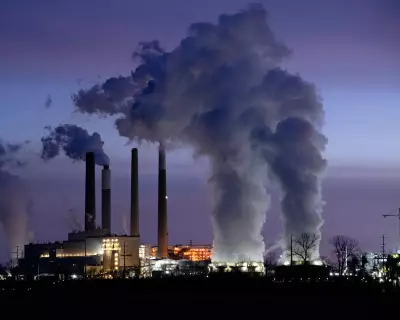
Australia's biosecurity regulations require most imported flowers to be treated with glyphosate, an herbicide, and fumigated with methyl bromide, a pesticide. The federal government is currently reviewing these conditions, but the combination of transport emissions and chemical use creates a harmful pathway for these blooms into the country.
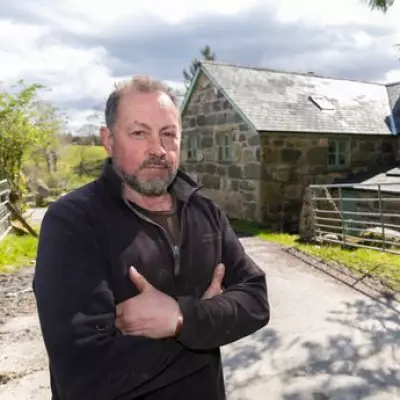
Michael Pavlou, owner of Bush Flowers in Melbourne, explains that the intense demand for red roses on Valentine's Day exacerbates the problem. Local growers cannot meet the surge for a single product on one day, necessitating imports. Pavlou advocates for choosing alternative, locally grown, and seasonal flowers, such as hydrangeas, dahlias, lisianthus, sunflowers, zinnias, or cosmos, which are often vibrant and long-lasting when in season.
Embracing Local and Seasonal Varieties
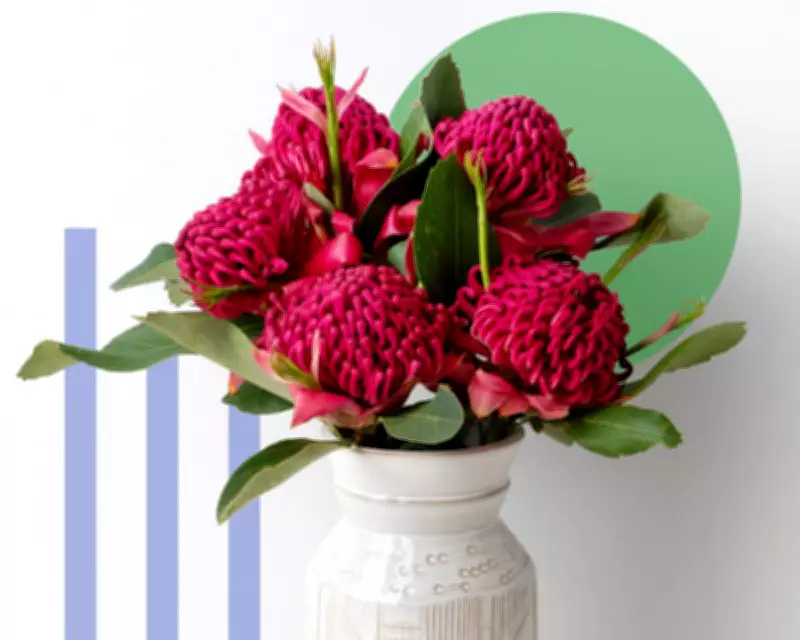
Most locally grown flowers in Australia originate from Victoria, followed by Western Australia and Queensland. Pavlou's business focuses on Australian native flowers, featuring unique species like flowering gum, paper daisies, and mulla mulla, offering a colourful and warm alternative to commercial bunches that may include non-native varieties like proteas and leucadendrons.
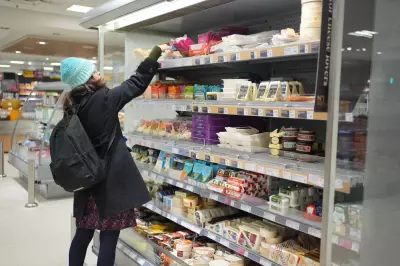
However, without country-of-origin labelling for cut flowers, consumers face challenges in identifying locally grown options. Pavlou suggests buying directly from local growers at farmers' markets or roadside stalls, or inquiring with florists. He compares flowers to fruit, noting that seasonal blooms are more vibrant and durable, and that importing them disconnects us from natural seasonal rhythms.
Sustainable Alternatives and Packaging
For those with gardening enthusiasts as partners, Australian native seed bombs provide a creative and eco-friendly gift. These small balls of air-dried potting mix and seeds can be easily scattered on soil to grow wildflowers.
Plastic waste is another concern in the flower industry, with plastic sleeves and floral foam contributing to an estimated 500 tonnes of landfill waste annually in Australia, according to the Sustainable Floristry Network. For Valentine's Day, the network recommends opting for local, seasonal flowers and requesting minimal packaging, such as hand-tied bouquets, paper wraps, or upcycled vessels.
By making informed choices, Australians can celebrate love while also caring for the environment, turning a romantic gesture into a sustainable statement.