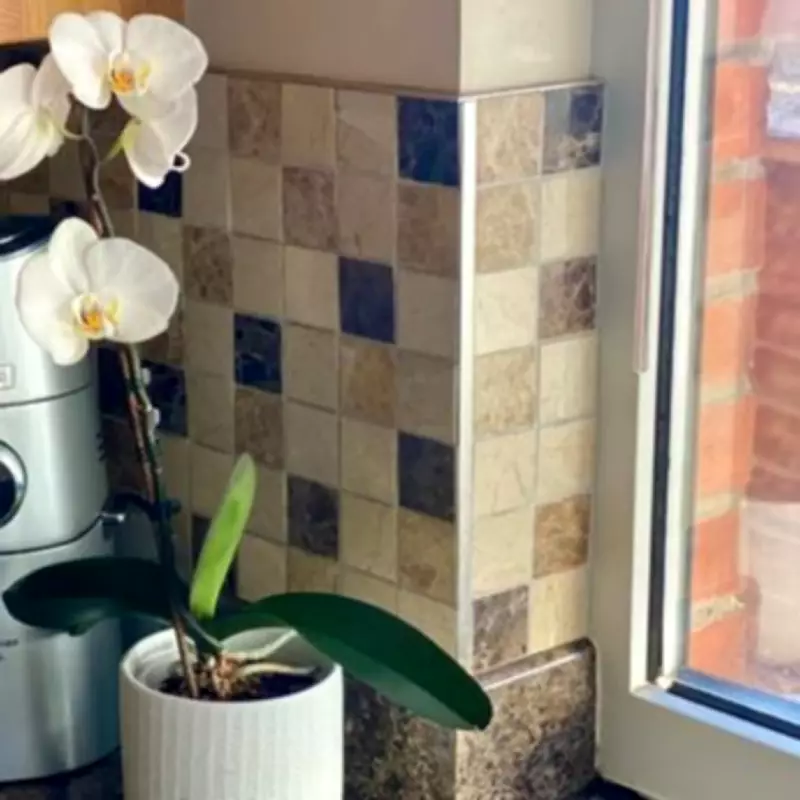
Every enthusiast of indoor plants understands that orchids present a moderate challenge in care routines. They are not the most difficult plants to maintain, but they do demand a bit more focused attention to truly thrive. When something is amiss in their environment, orchids communicate clearly through visible signs such as wilting leaves, premature flower drop, or a yellowing appearance.
The Struggle with Orchid Reblooming
I have always held a deep affection for orchids, captivated by their exotic and stunning floral displays. Over recent years, I have cultivated numerous orchids, which consistently add a delightful charm to my windowsills and never fail to impress visitors. However, one persistent issue has plagued my efforts: I frequently struggle to encourage my orchids to rebloom or to sustain their flowers for any meaningful duration.
In my quest to solve this problem, I experimented extensively with various approaches. I adjusted watering schedules, modified feeding routines, and even tried different pruning techniques. Despite these efforts, achieving a spectacular floral show remained elusive. On the rare occasions when blooms did appear, they tended to vanish quickly, leaving me disappointed and puzzled.

A Breakthrough After Twelve Months of Dormancy
This pattern continued until my white moth orchid, which had lain dormant for an entire year, began showing fresh signs of life. I was on the verge of giving up hope, but a closer inspection revealed that the plant still boasted healthy, robust roots. This was encouraging, as it indicated the orchid had the potential to recover, even after such an extended period without producing new stems or flower buds.
Having listened to countless gardening experts emphasize the critical importance of proper lighting for stimulating orchid blooms, I decided to take their advice seriously. Lighting is fundamental to every aspect of an orchid's lifecycle, from root development to flower production. Orchids require a consistent source of bright, indirect light to replenish their energy reserves and support healthy growth.
The Simple Change That Made All the Difference
Previously, I had kept my orchid tucked away in the kitchen, positioned far from any windows. While this location suited the plant's preference for higher humidity levels, it unfortunately meant my orchid was not receiving sufficient light to fuel its flowering process. The lack of adequate illumination was the primary reason my orchid's flowers were not appearing, despite my attention to other care aspects.
To address this, I relocated my orchid to the windowsill in my dining room. This spot proved to be ideal because the window faces north, providing plenty of bright light without the harsh, direct exposure that can damage delicate orchid foliage. It is crucial to keep orchids away from direct sunlight, as this can scorch leaves and hinder growth.
If your home lacks adequate natural light, particularly during the darker winter months, a compact LED grow light can serve as an excellent alternative. Position the light approximately 10 to 12 inches above the plant and leave it on for 12 to 14 hours each day to mimic the natural sunshine patterns of tropical environments.
Transformation and Lasting Blooms
Because my orchid had been starved of light previously, it had managed to produce foliage but lacked the necessary energy to flower again. After moving it to the brighter location, the transformation was remarkable. The orchid began to bloom beautifully, and the flowers lasted for an impressive three months, bringing vibrant color and life to my home.
This experience underscores a vital lesson in orchid care: while factors like watering and feeding are important, ensuring proper lighting is often the key to unlocking prolonged and spectacular blooms. By making this one simple adjustment, you too can enjoy the rewards of a thriving, flower-filled orchid.