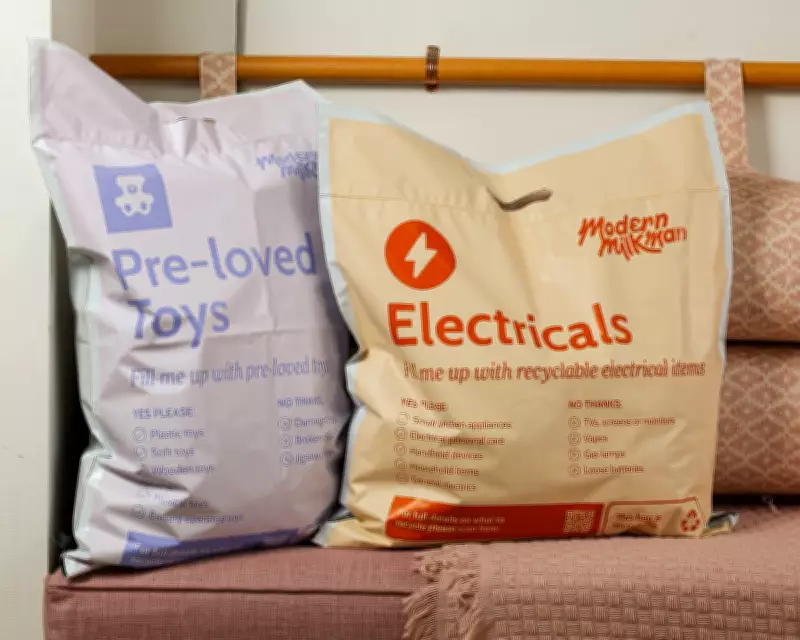
The Modern Milkman, a British grocery delivery service, is launching an innovative new initiative to collect unwanted or broken electronics and toys alongside its regular deliveries of milk, orange juice, and butter. This expansion aims to address the growing issue of electronic waste in the UK.
New Recycling Service for Household E-Waste
Founded by entrepreneur Simon Mellin in Burnley in 2019, The Modern Milkman currently serves over 100,000 households across the UK. The company will now offer a collection service for items such as mobile phones, laptops, and toys, partnering with recycling specialist EMR Group to ensure these products are either repurposed or recycled. Customers can participate by paying £2.50 for a collection bag each time they use the service.
Addressing a Growing Environmental Challenge
According to non-profit organisation Material Focus, British households now hold an average of 30 broken tech items each, a significant increase from 20 just four years ago. Annually, the UK disposes of approximately 2 million tonnes of electronic waste. While retailers are required to provide take-back schemes and some councils offer kerbside collections, many consumers still struggle to find convenient ways to recycle small items like cables, chargers, and old phones.

Simon Mellin explained, "We did a lot of research and there is not really a convenient way to deal with this stuff." The service has already been trialled in four regions and will now be rolled out across the company's entire UK operations. Future plans include tackling other types of waste, such as soft plastics and textiles, as part of a broader sustainability strategy.
Business Growth and Strategic Adaptation
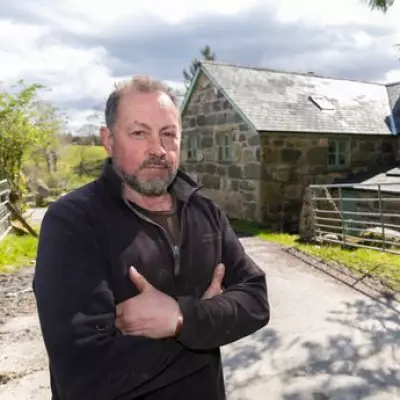
The Modern Milkman operates through a network of local independent suppliers and franchisees, covering about 40% of the UK, including areas from Newcastle and Preston to London and Bristol. Mellin, who grew up on a farm and left school without formal qualifications, described the business's early years as "a rollercoaster," with demand surging during the pandemic before later stabilising.
Despite these challenges, UK sales have risen recently and continue to grow as the company expands its reach and introduces new services. Mellin emphasised a focus on "sustainable growth rather than blowing the barn doors off," aiming to build a stronger proposition for customers.
Expansion into the United States
The company is also making strides internationally, having acquired local businesses in the US that serve homes in Connecticut, Massachusetts, Rhode Island, Ohio, and New York. Mellin reported that sales in the US are growing "at pace," contributing to the group's overall performance.
In 2024, group sales increased by 13% to £52 million, driven largely by US expansion. However, the company recorded a pre-tax loss of £6.3 million, an improvement from a £10.6 million loss in the previous year. Last year, sales rose by about 20%, supported by growth in both the UK and US markets, partly due to the launch of a loyalty scheme.
Industry Context and Competitive Landscape
The grocery delivery sector has faced significant pressures since the pandemic, with firms forced to adapt to heavy competition and a slowing market. Rapid delivery specialists like Getir have ceased operations, while major supermarket chains such as Tesco, the Co-op, and Sainsbury's have expanded their own delivery services and partnered with platforms like Deliveroo and UberEats.
In a related development, Milk & More, the UK's largest specialist dairy delivery service, was sold by yoghurt maker Müller to dairy firm Freshways in January 2024, reflecting the impact of the cost of living crisis on sales. The Modern Milkman's new recycling initiative represents a strategic move to differentiate itself in this challenging environment by promoting ethical and green living practices.