As the depths of winter gradually recede, gardeners across the UK are beginning to turn their attention back to their outdoor spaces. While January typically demands a hands-off approach, the shift into February brings longer daylight hours and the first subtle signs of renewal in the garden. To navigate this transitional period effectively, insights from five leading horticultural experts reveal a singular, vital task for lawn care this month.
The Consensus: Minimal Intervention with Maximum Impact
All specialists consulted emphasised a philosophy of restraint during the colder season, warning against overzealous maintenance that could damage dormant grass. However, they identified one non-negotiable action that forms the cornerstone of effective February lawn management.
Clearing Debris: The Universal Priority
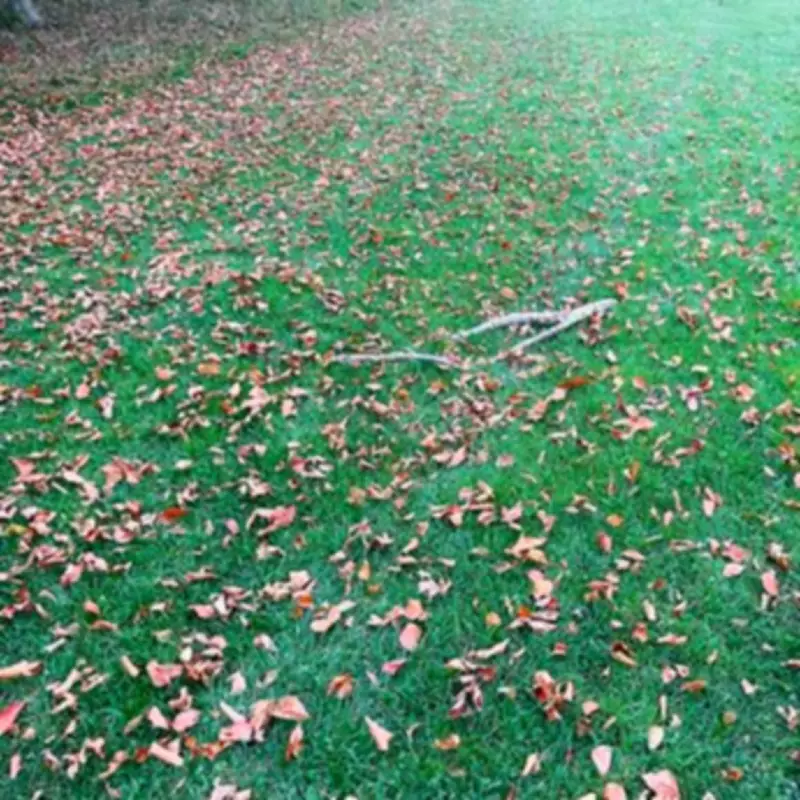
Halina Shamshur, the resident plant expert at Plantum, states unequivocally that the top priority for gardeners should be removing fallen leaves and any lingering debris from the lawn surface. She recommends using a fan rake for this gentle yet effective task, which prevents a build-up that can smother the grass beneath.

This sentiment is echoed strongly by Allison Koenig, a lawn and garden specialist at Tractor Supply, who describes winter as the "perfect season" for a thorough tidy-up. She warns that debris left on the grass can trap moisture and block essential light and air, creating an environment conducive to mould development and pest harbourage, even in cold weather. "A tidy lawn in winter is one less thing to fix when the weather warms up," she advises.
Why Restraint and Observation Are Key
Elizabeth Waddington from First Tunnels underscores that winter lawn care is "largely about restraint" and presents an "ideal time" for observation. She suggests that gardeners use this period to study their lawn's condition, noting issues like moss proliferation not as a problem to immediately eradicate, but as a diagnostic tool indicating underlying site conditions such as shade or poor drainage.
Steve Corcoran, CEO of Lawn Love, advocates strongly for minimal intervention. "Right now, you probably don't need to be doing much," he states, advising gardeners to hold off on major lawn care activities like aeration until after the last frost has passed to avoid damaging the dormant turf. He cautions that excessive foot traffic on frozen or waterlogged ground can compact the soil and hinder future grass health.
The Practical Steps for February
The collective guidance for this month can be distilled into a simple, actionable plan:
- Prioritise Clearance: Regularly rake and remove leaves, twigs, and any other debris from the lawn surface.
- Exercise Caution: Avoid walking on the grass when it is frozen or waterlogged to prevent soil compaction.
- Observe and Plan: Use this quiet period to assess your lawn's health and plan any corrective actions for early to mid-spring.
- Redirect Organic Matter: Move collected leaves to a separate compost area to create valuable leaf mould, rather than letting them decompose on the grass.
Taylor Olberding, a qualified professional landscaper and co-owner of Heroes Lawn Care, summarises the approach effectively, stating that successful winter lawn care begins with basic garden hygiene. Clearing the lawn ensures unimpeded airflow and sunlight penetration, which are crucial even during dormancy, and mitigates the risk of fungal diseases setting in before the growing season begins.
By adhering to this straightforward, expert-endorsed task of diligent clearance, gardeners can provide their lawns with the best possible foundation for a healthy, vibrant resurgence as spring arrives.