Villach's Bold Move: From Ski Slopes to Sustainable Sanctuary
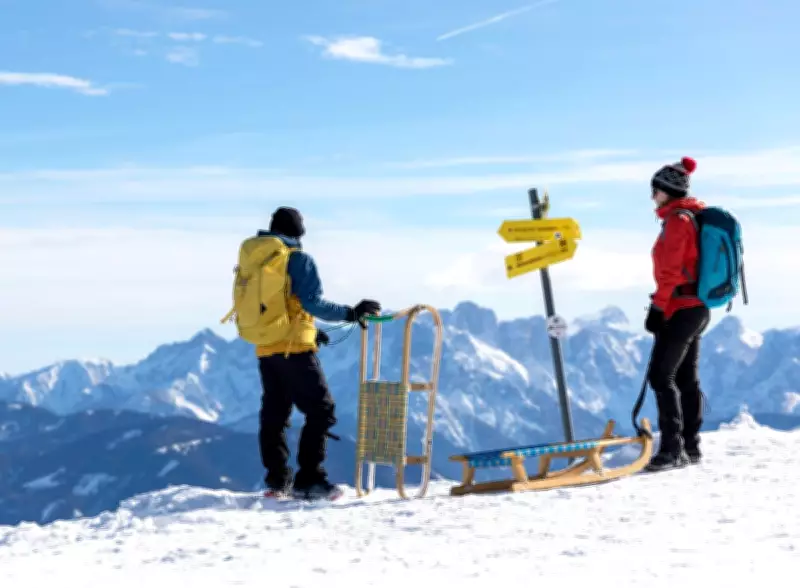
Nestled in the Carinthian Alps, the Dobratsch mountain near Villach, Austria, once echoed with the sounds of skiers carving down its slopes. Today, it resonates with the joyful shrieks of tobogganers and the quiet footsteps of hikers, a testament to a radical transformation. Faced with declining snowfall due to the climate crisis, this community chose to close its ski resort in 2002 rather than rely on energy-intensive snow cannons, opting instead to develop a community-focused nature park that prioritises environmental protection and year-round recreation.
The Environmental Toll of Artificial Snow
Artificial snow, known locally as Maschinenschnee, poses significant ecological risks. It requires vast amounts of water and energy, often pumped from valleys, and introduces harmful bacteria into fragile mountain ecosystems, according to hydrologist Professor Carmen de Jong. For Villach residents, concerns over contaminating their drinking water, sourced from the mountain's karst limestone system, made the decision clear. They deemed the risks unacceptable, leading to the resort's closure and the birth of the Dobratsch Nature Park.
A Nature Park for All Seasons
The park now offers affordable access via a €5 bus from Villach or parking fees, providing three winter hiking routes ranging from 30 minutes to two hours, four ski touring paths, a cross-country circuit, and a toboggan slope. It safeguards local wildlife, including mountain hares and chamois, while hosting educational programs for schoolchildren. Visitors are guided to stick to trails, avoiding designated "nature zones" to minimise human impact.

In contrast to resorts like St Anton, where snow cannons puff constantly to maintain slopes, Dobratsch celebrates natural snowfall. The experience of hiking on real snow, with its characteristic squeak underfoot, offers a nostalgic and authentic winter escape. Artificial snow, often described as icy and heavy, lacks the intricate beauty of natural flakes and can detract from the skiing and snowboarding experience.
Local Adaptation and Economic Resilience
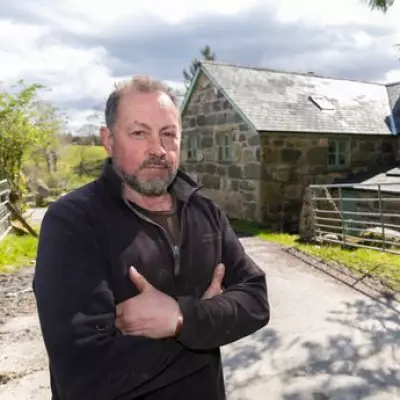
Nearby in Mallnitz, mountain guide Klaus Alber notes dramatic climate changes, with snow levels plummeting in recent years. His family-run hotel adapts by promoting flexibility, encouraging guests to enjoy hiking or snow touring when ski conditions are poor. This shift fosters creativity and reduces reliance on traditional ski tourism, supporting local businesses through diverse outdoor activities.
A Glimpse into Sustainable TourismSnow touring in the Hohe Tauern National Park reveals the unparalleled beauty of natural snowscapes, free from the crowds of commercial resorts. Klaus Alber highlights that such experiences, like making fresh tracks in untouched snow, are only possible with snowfall from the sky, never replicated by machines. This model not only preserves ecosystems but also offers unique, memorable adventures for visitors.
As Alpine regions grapple with warmer temperatures, Villach's story serves as an inspiring example of how communities can reinvent themselves sustainably, balancing economic needs with environmental stewardship. The Dobratsch Nature Park stands as a beacon for green travel, proving that sometimes, the best path forward is to let nature take the lead.