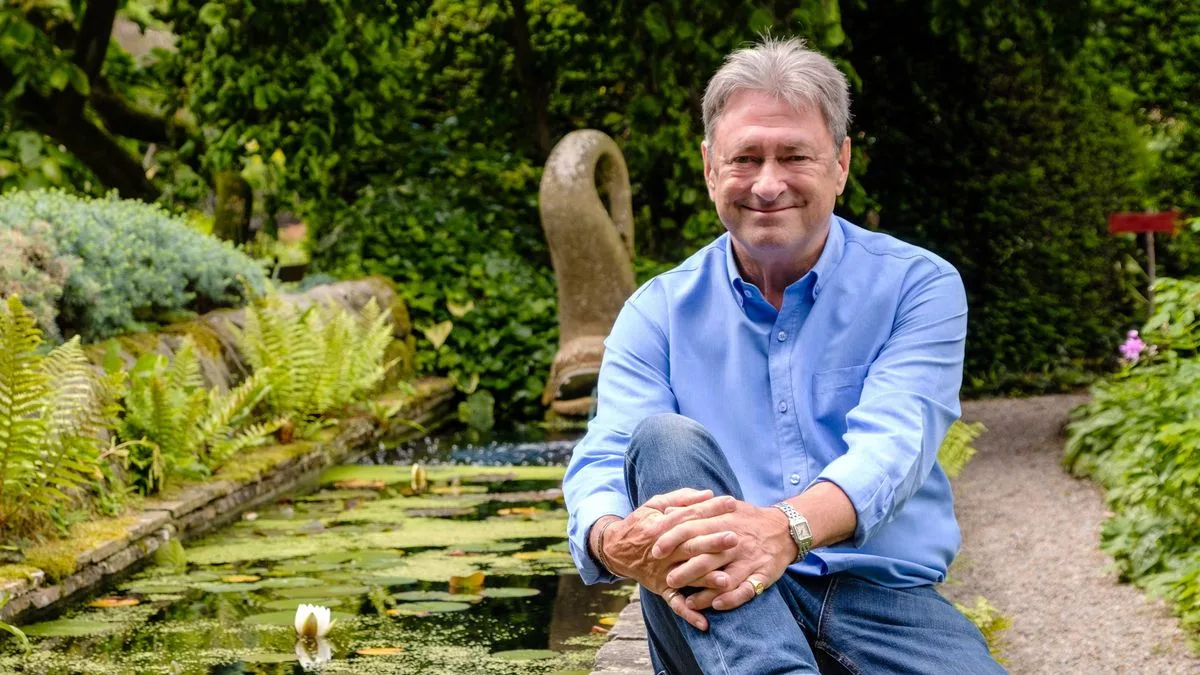
Alan Titchmarsh's Gardening Philosophy: One Tree He Absolutely Avoids
Renowned horticulturalist and television presenter Alan Titchmarsh has disclosed the singular tree species he will never permit in his own garden, citing a straightforward personal preference. With a celebrated career spanning over five decades, Titchmarsh's opinions carry considerable weight in gardening circles.
From Humble Beginnings to Horticultural Stardom
Alan Titchmarsh's profound passion for gardening ignited during his childhood, when he would spend his pocket money on seeds from Woolworths. This early enthusiasm paved the way for an apprenticeship with his local council after leaving school. He subsequently transitioned into editing gardening books before ascending to become one of the UK's most beloved television and radio gardening presenters. Today, at 76, he meticulously tends to his own garden in Hampshire alongside his media commitments.
The Unwelcome Guest: The Weeping Birch
In a recent episode of his Gardening with Alan Titchmarsh YouTube channel, the expert revealed his distinct aversion to the weeping birch tree. While acknowledging its popularity among gardeners with limited space—due to its compact size and drooping branches—Titchmarsh was unequivocal in his assessment. "Personally, I don't like it very much," he stated, offering a candid glimpse into his horticultural tastes.
For those desiring a birch tree, he suggested alternatives: Young's weeping birch for very small gardens, and the betula utilis jacquemontii, or silver birch, for plots of reasonable size.
Championing the Silver Birch and Other Favourites
Titchmarsh enthusiastically endorsed the silver birch for larger gardens, where it can soar to heights of up to 12 metres. He praised its "light and feathery canopy" that provides dappled shade without overwhelming a space. A particular highlight, he noted, is its stunning silvery bark, which becomes a glorious focal point in winter after the leaves have fallen.
Beyond the birch family, Titchmarsh also expressed admiration for the eucalyptus gunnii, commonly known as cider gum. This evergreen tree retains its foliage throughout winter, though he cautioned it is an "acquired taste." He warned gardeners to be wary of its rapid growth, noting it can "make a massive tree" and, if left unchecked, "eat you out of house and home" in a small garden. For those who cherish its foliage for flower arranging, he advised cutting it back hard each spring to control its size.
Tailored Recommendations for Every Garden
Understanding that not every gardener has vast expanses of land, Titchmarsh provided thoughtful alternatives for smaller plots. He recommended winter-flowering cherry or crab apple trees as excellent choices that offer beauty without excessive bulk.
For those blessed with more substantial space, he advocated for the majestic beech tree, which can reach an impressive 20 to 30 metres in height. Alternatively, he suggested planting a row of beech trees and maintaining them as a hedge. "Beech tree hedges are delightful," he remarked, highlighting their vibrant lime-green spring growth and the crisp, brown hues they display in winter.
Alan Titchmarsh's insights blend decades of professional experience with personal preference, offering gardeners a trusted guide to selecting trees that will thrive and bring joy, while clearly marking one species he personally chooses to exclude from his own horticultural haven.




