Two everyday items have been banned from bins under fresh regulations being rolled out by English councils. Guidelines on which food and garden waste types can be recycled have historically varied between areas, creating significant confusion and large amounts of contaminated waste.
Standardisation to End Postcode Lottery
To address this issue, the Government instructed councils to introduce a standardised approach in hopes of eliminating the refuse 'postcode lottery'. From March 31, certain councils confirmed they'll be emptying black bins less regularly to maintain consistency throughout England.
Food and garden waste must now be separated for collection. While 10 garden waste items have been designated as no longer requiring collection, two are especially unexpected.

Tea Bags and Coffee Grounds Affected
Councils 'do not need' to collect tea bags or coffee grounds any longer. As an alternative, they can be composted at home, or taken to a local waste recycling centre.
The Simpler Recycling initiative may also result in general garden waste remaining uncollected for considerably longer periods than before. Some councils are excluded from the new requirements until at least 2040.
Background of the Reforms
The UK's Simpler Recycling reforms were initially brought in through the Environment Act in 2021. They will impact businesses, households, flats and houses.
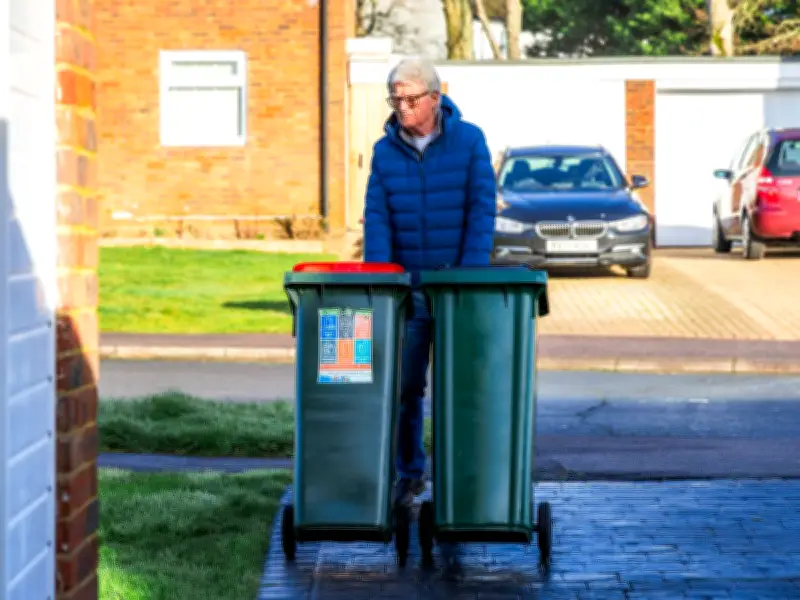
Under the new system, there are four waste categories. Food and garden waste are combined together, while paper and card share another stream. Additional dry recyclable items including glass, metal and plastic will require a separate bin, with one final bin designated for residual waste.

Garden Waste Items Councils Do Not Need to Collect
- Animal bedding
- Bulky waste (including garden furniture and fencing)
- Garden tools or other gardening equipment
- Plant pots
- Plastic
- Sand
- Sawdust
- Stone, gravel or brick
- Tea bags or coffee grounds
- Branches and trees over a certain size may have to be cut into smaller pieces to follow local guidance