Toxic Oil Barrels Sold as Water Tanks Spark Health Crisis in Iraqi Marshlands
Toxic Oil Barrels Sold as Water Tanks in Iraq

Toxic Oil Barrels Sold as Water Tanks Spark Health Crisis in Iraqi Marshlands

Across the southern province of Maysan in Iraq, a disturbing public health crisis is unfolding as residents are unknowingly storing drinking water in discarded oil field containers, sold to them as safe storage solutions. An investigation by Independent Arabia reveals how these toxic barrels, originally intended for chemicals, are making their way into homes, posing severe risks to families, particularly children, in the heart of the Iraqi marshlands.

A Father's Horror: Realising the Danger at His Doorstep

Haider, a father of three from a rural village near the marshlands, stands beside a large blue barrel in his courtyard, which he purchased four years ago from a scrapyard on the road to the oil fields in Maysan. The seller assured him it was a clean and washed oil company barrel, suitable for storing water. However, over time, Haider noticed the water developed a strange smell on hot days and a thin film clung to the inside despite repeated washing. Financial constraints forced him to ignore his fears until he heard warnings from environmental activists that these barrels, used for chemicals, could not be safely cleaned.

Speaking to Independent Arabia, Haider recounts his realisation: "At that moment, I understood that the dangers of commercial waste were not distant threats in the marsh or field; they were standing right at my doorstep." Although he now uses the barrel only for non-drinking purposes, he admits it stored his children's drinking water for years, leaving him in daily horror about potential health impacts like cancer diagnoses.

How Contaminated Barrels Enter Daily Life

A worker from a Chinese oil company detailed how these chemical barrels are sold outside field gates by employees and local contractors, often through cash transactions or barter arrangements. Alarmingly, some oil police officers at checkpoints, sometimes with good intentions, encourage residents to use the barrels for drinking water, swimming, and washing, granting them a false sense of social legitimacy.

Engineer "Ahmed," a pseudonym from the Maysan Environmental Directorate, explains that washing does not remove the danger, as substances remain attached to the plastic or metal surfaces, leaching into stored water over time. This exposes families to chronic contact with chemicals that can affect the liver, kidneys, and nervous system. Despite multiple warnings from his department, no clear regulations exist to stop this trade or track the barrels' destinations after leaving the fields.

Environmental and Health Impacts in a Fragile Ecosystem

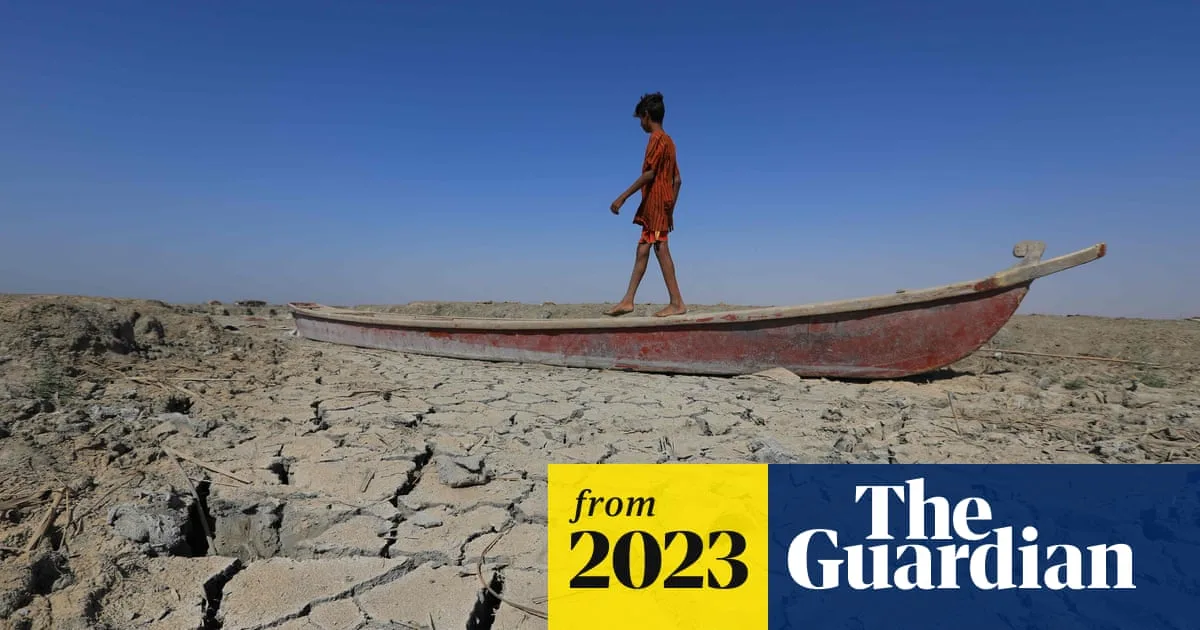
The crisis is exacerbated by broader environmental degradation. Kazem, a fisherman from a village near the Huweiza marshes, describes how drought and oil field encroachment have devastated his livelihood, forcing him into low-paying contract work. He notes his children's coughing worsens on nights with strong flares, and they suffer headaches and shortness of breath, highlighting dangers from both water and air pollution.

Residents have submitted complaints and staged protests demanding independent assessments of oil field waste and compensation, but state responses remain limited to committees and brief visits, with no clear protection policies. A study from the University of Basra found produced water from the Halfaya oil field, with high salinity and petroleum content, is often discharged into open ponds, while research in the Iraqi Geological Journal revealed heavy metal concentrations in the Al-Maeel River exceeding Iraqi and WHO limits by up to 80 times.

Official Responses and Lack of Accountability

In contrast, the Ministry of Water Resources claims oil exploration areas do not threaten the natural environment, citing earthen dams to prevent pollutant seepage and promising improved services and development. However, environmental activist Mustafa Hashim points out that Maysan has become densely mapped with oil fields, and residents feel ignored as their land dies beneath them. Independent Arabia reached out to official bodies, including the Iraqi Ministry of Oil, but received no response, underscoring a lack of transparency and action in addressing this escalating crisis.




