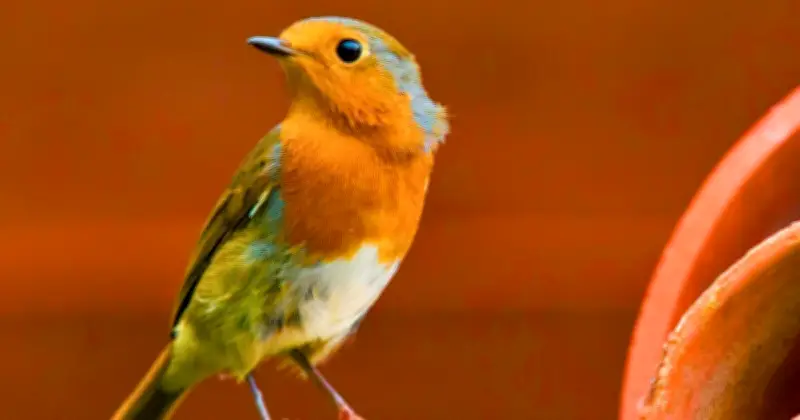
Gardeners hoping to help robins this summer could be putting the birds at risk without realising it, as one everyday bird food can quickly become unsafe in hot weather. Robins are one of the most cheerful birds you can spot in British gardens, and in July they need all the help they can get to survive the hot weather. You might not often see robins in your garden during summer, but they are likely nearby as they spend much of this time guarding their nests and caring for their baby chicks. They still need to forage more to feed their young, but when temperatures rise they can struggle to find insects as the dry soil causes their main food source, earthworms, to burrow deeper underground in search of moisture.
Why Fat Balls Are Dangerous in Summer
Helping to feed robins is one of the kindest ways gardeners can support local wildlife at this time of year, but choosing the wrong foods can sometimes cause more harm than good. Danielle from Really Wild Bird Food explains that while fat balls are one of the most common bird foods found in supermarkets, she recommends being cautious when leaving them out during hot weather. She said: “While fat balls can definitely be enjoyed by wild birds all year round, it’s important to be vigilant when putting out fat balls in the summer months, especially if the weather is particularly hot.”
Robins absolutely love suet balls, also known as fat balls, because they provide lots of energy they need to stay active and look for food when it is harder to find. However, anyone feeding birds in summer should be aware that suet balls are made from soft animal fat, which melts quickly and can leave nearby surfaces oily. This can harm robins because sticky residue may coat their feathers, causing them to clump together and preventing them from functioning effectively.

Feather Damage and Heat Stress
Robins rely on their feathers to trap air and regulate their body temperature during hot weather, so any residue that gets on their coat could cause them heat stress. Greasy feathers will make robins uncomfortably hot and make it harder for them to find food and during heatwaves, it could severely dehydrate or even kill them.
Safer Alternative: Dried Mealworms
If you want to help robins out in July, then it will be more effective to leave out dried mealworms, which you can buy in pet stores or in the pet aisle of most supermarkets. Mealworms contain a lot of protein, which will help feed robins if they are struggling to dig out earthworms or find any insects at the moment. All you need to do is soak dried-up mealworms in water before leaving them outside, as it will make it easier for young robins to eat and also keep them hydrated. Place mealworms in a bird feeder, on a table, or even on the ground in a safe area of your garden, and you will soon attract the attention of nearby robins.