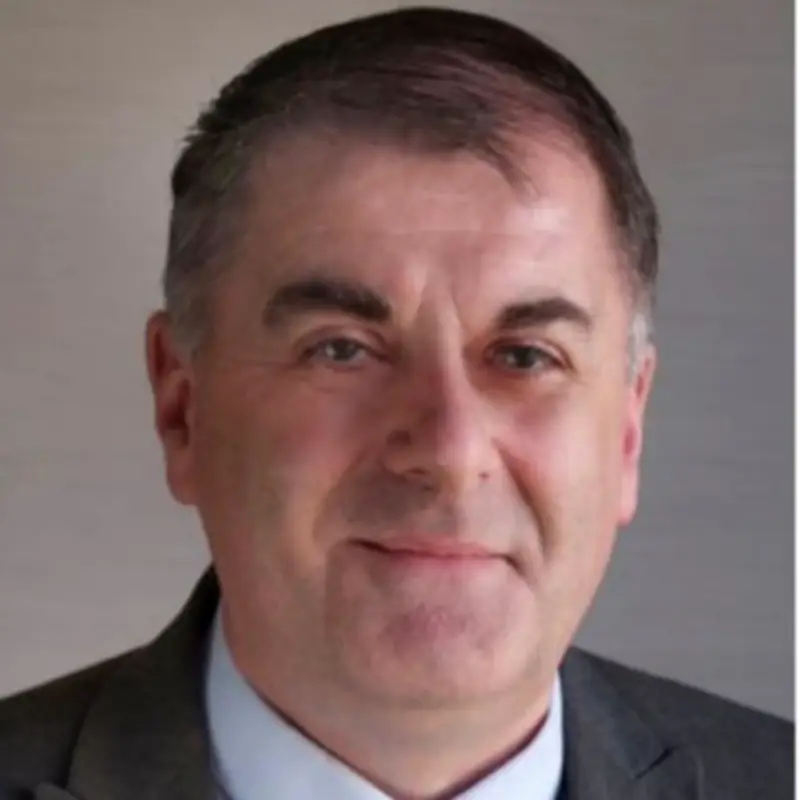
Inverclyde council leader Stephen McCabe has written an article outlining the challenges facing the relationship between local authorities and the SNP Government in the coming year. With the Scottish Parliament election now concluded, local government leaders are turning their attention to the nature of their future relationship with the administration and the upcoming Council elections in 2027.
McCabe notes that despite a few new ministers, the Government remains largely the same, led by the same First Minister. Even the most optimistic Labour councillors did not anticipate a different election outcome. He describes the relationship between local government and successive SNP Governments since 2007 as uneasy, and expects no improvement, particularly given John Swinney's central role in previous administrations.
While the First Minister claims to respect local government, McCabe argues that when councils resist contentious policies, he often threatens financial penalties to enforce compliance. This dynamic is unlikely to change. Relations with cabinet secretaries, such as Jenny Gilruth, who now oversees Finance and Local Government, have also been strained. McCabe suggests that few council leaders welcomed her appointment.

One legacy issue is Gilruth's deal with the EIS on reduced class contact time for teachers, which avoided pre-election strikes but left a bill of up to £300 million. This comes at a time when public finances face a £5 billion black hole. Another legacy issue is social care, where the crisis persists despite the abandonment of the national care service. McCabe questions whether the £300 million for teacher contact time would have been better spent on improving social care quality.
Council Tax reform remains unresolved, with successive SNP Governments delaying action. McCabe asks whether the new Government, led by the architect of the Council Tax freeze, will finally deliver fundamental reform or replacement. With Scottish Greens willing to support a replacement, Swinney has a parliamentary majority to act, but whether he will use it remains uncertain.
McCabe expresses concern about the Government's definition of public service reform, fearing it may lead to further centralisation and cuts rather than greater local influence. He notes that Scottish council leaders envy the powers devolved to English City Regions and believe that empowering local government to drive regional economies is essential for economic growth and increased tax income to fund public services.
Following the recent election, there is trepidation about the prospect of Reform UK gaining a significant presence in every Scottish council after next year's elections. This could force national parties to reconsider their stances on coalitions, which previously prevented stable governing arrangements after the 2022 elections.
Regarding councillor severance, the Scottish Local Authorities Remuneration Committee recommended a scheme modelled on that for MSPs in 2024, but the Government delayed action until after the Scottish Parliament election. Discussions have resumed, with a scheme possibly in place before next year's election. This could lead to an exodus of experienced councillors, fearful of losing their seats to Reform or of the party bringing chaos to their councils.
McCabe concludes that the next 12 months will be anything but dull in Scottish local government.