Potomac Sewage Pipe Restored After Major Environmental Incident
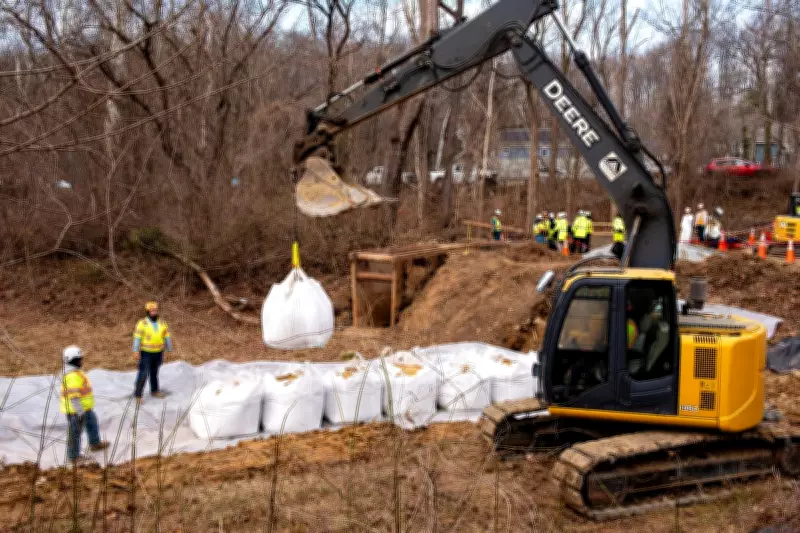
The massive sewage pipe that ruptured and leaked millions of gallons of raw waste into the Potomac River has returned to operation after the completion of emergency repairs. DC Water, the utility managing Washington's water and sewage systems, confirmed on Saturday that full flow has been restored following rigorous testing to ensure the 72-inch diameter pipe can handle the necessary capacity.
Environmental Impact and Emergency Response
The Potomac Interceptor ruptured on January 19, releasing approximately 250 million gallons of untreated sewage into the river just north of the nation's capital over the initial five days. The spill occurred in Montgomery County, Maryland, along Clara Barton Parkway near the Chesapeake and Ohio Canal National Historic Park. This incident quickly escalated into a serious environmental issue, prompting close monitoring of recreational activities such as fishing and boating due to concerns over deadly bacteria in the water.
DC Water collaborated with the Environmental Protection Agency and other agencies to repair the leak and assess the ecological impact on the river. While drinking water supplies were never at risk, the utility has emphasized that additional work on the pipe and system could take several months to complete fully. The C&O Canal has been fully drained as part of site restoration efforts, according to a statement from DC Water on social media platform X.

Political and Legal Repercussions
The sewage spill became a focal point of political bickering between Republican President Donald Trump and Democratic-led Maryland. District of Columbia Mayor Muriel Bowser declared an emergency on February 18, requesting federal resources from Trump, who had previously criticized Democratic leaders in Maryland, Washington, and Virginia for not seeking assistance. The president approved emergency aid promptly to help address the crisis.
In a legal development, a class action lawsuit was filed on March 6 in U.S. District Court in Greenbelt, Maryland, accusing DC Water of negligence. The plaintiff, Nicholas Lailas, a Virginia resident and recreational boat user on the Potomac, is seeking compensation for individuals whose property interests and enjoyment of the river have been impaired. The lawsuit does not specify a damage amount but highlights growing public concern over the incident.
Community and Ecological Concerns
Betsy Nicholas, president of the Potomac Riverkeeper Network, warned that the situation "could have been so much worse given the vulnerability of our drinking water system" in the district, Montgomery County, and Virginia's Arlington County. Nicholas stressed the need for comprehensive ecological assessments and remediation efforts, including natural solutions like freshwater mussels and native aquatic plants, to prevent future occurrences.
"We need assurances that this isn’t going to happen again, that there’s going to be full inspection of the entire remaining system," Nicholas stated, underscoring the importance of proactive infrastructure maintenance.
To address public concerns, DC Water is holding a series of meetings with the community to discuss updates on the repair and environmental rehabilitation. These sessions are scheduled for next week in Bethesda, Maryland, and Alexandria, Virginia, aiming to foster transparency and engagement in the recovery process.