MPs are set to debate the role of social media giants in censoring content related to women's health, after evidence emerged that platforms such as Facebook and Instagram are wrongly classifying posts on menstrual and sexual health as 'adult content'. The practice, often referred to as 'shadow banning', involves blocking specific terms or rejecting paid advertisements focused on periods and menopause.
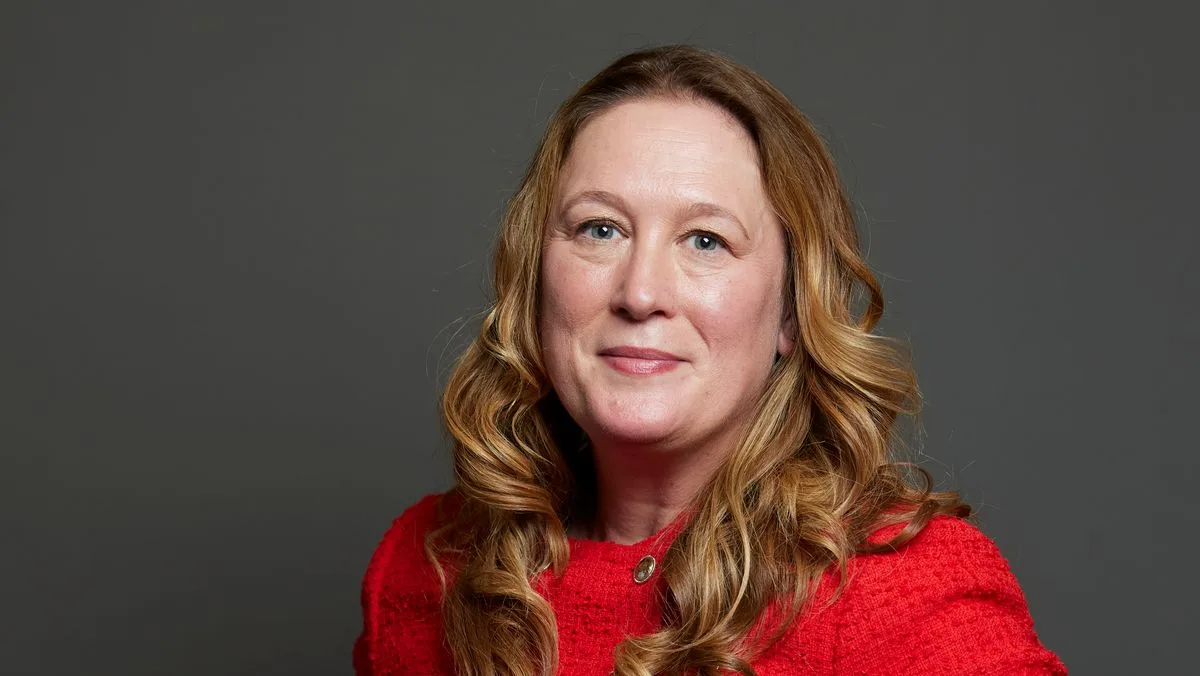
Emily Darlington, Labour MP for Milton Keynes Central, has branded the censorship 'shameful' and will lead a backbench business debate on the matter today (May 20). She said: 'It is shameful that legitimate women's health content is still being hidden, restricted or deprioritised by big tech. This debate will examine growing evidence from Essity and other campaigners showing that content relating to menstruation, fertility, menopause and vaginal health continues to be unfairly censored on social media platforms.'
Hygiene and health firm Essity, which owns brands including Bodyform, TENA and Modibodi, has been campaigning to end shadow banning. Its research found that women's health topics are more than three times more likely to be suppressed on social media than men's. In a pilot study, influencer Aly Boghici (allmumstalk) posted about menopause, pain during sex and vaginal dryness, and those posts reached 66% fewer non-followers than her usual content. By contrast, her husband Justin (alldadstalk) saw only a 16% drop when sharing content on erectile dysfunction and testosterone imbalance.

The study also found that Aly's posts on periods, heavy bleeding and endometriosis received 25% fewer views, while Justin's posts on testicular pain and thrush saw a 34% increase in views from non-followers. Essity's own Bodyform brand had its 'Vaginas Uncensored' campaign blocked 22 times in one month across X, Instagram, Facebook and TikTok, with content inaccurately labelled as 'sexual' despite using proper anatomical terms.
Kate Prince, for Essity, said: 'We want to work with social media platforms and the government to find a solution that protects women and girls from online harm, while also ensuring they can speak openly about their bodies and health. The renewed Women's Health Strategy acknowledges misinformation could be impacting women's health outcomes, but we feel the equally important issue of censorship is still being ignored by the government.'