Readers have responded to George Monbiot's recent article on rightwing denial of heatwave dangers, highlighting the serious health impacts of extreme heat and the need for government action on climate change.
Excess deaths in the 1976 heatwave
Emilie McRae from Trowbridge, Wiltshire, notes that while rightwing writers fondly recall the 1976 heatwave, data shows up to 26,364 deaths were recorded between 23 June and 8 July 1976 – 3,676 more than the previous five-year average for the same dates. She argues that temperature extremes exacerbate chronic conditions such as cardiovascular, respiratory, and cerebrovascular diseases, as well as mental health and diabetes-related conditions. The heat poses particular dangers to children, elderly people living alone, and pregnant women.
Climate change is here now
McRae emphasises that climate change is no longer a future possibility but a present reality. Scientific evidence clearly shows that human activities, such as burning fossil fuels, have made heatwaves more frequent and intense. She calls for better education and preparation for summer in Britain.

Media downplay and joined-up thinking
Adrian Phillips from Cheltenham, Gloucestershire, agrees with Monbiot, pointing out that parts of the media play down the effects of heat stress on vulnerable people. He argues that acknowledging the reality of unprecedented heat means recognising the frighteningly rapid pace of climate change and the urgency of action – something the usual suspect newspapers avoid.
Personal experience of heat danger
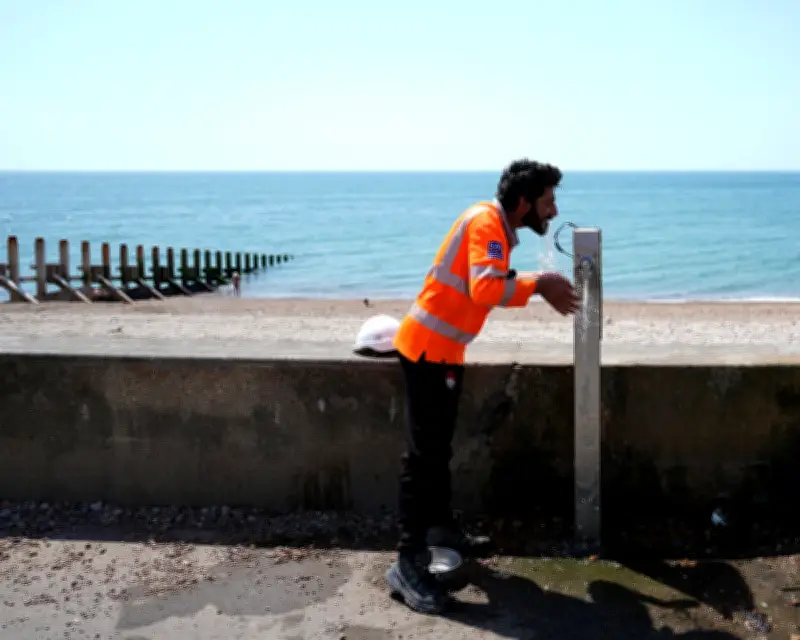
Rosemary A Fletcher-Jones from New Milton, Hampshire, shares her personal experience of living for 55 years in the California desert. She recalls locking her car keys inside her house and having to walk 15 minutes in 43°C heat, after which she felt faint and needed fluids and wet compresses to recover. She expresses sympathy for agricultural workers, gardeners, construction workers, and others required to work in temperatures above 30°C, and argues that neither they nor children and teachers should have to work in hot classrooms.