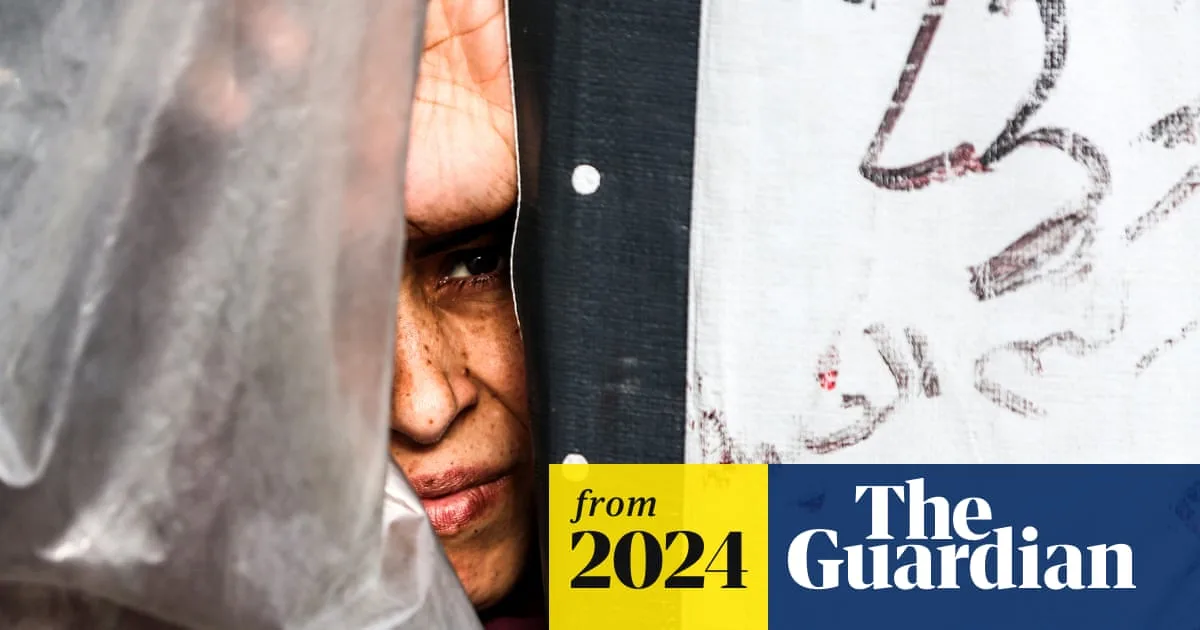
Harsh winter weather is compounding the suffering of hundreds of thousands of displaced people in Gaza, many of whom fled their homes months ago without warm clothing or blankets. The lack of basic necessities such as clothes, blankets, and firewood is exacerbated by strong winds and rain, leaving those living in makeshift shelters particularly vulnerable.
Dr Mohammad Shaban, working in a makeshift hospital inside a school turned refugee shelter, described the dire conditions: “I see a lot of people sleeping on the ground, with no mattress and no blankets.” He noted that overcrowding—with up to 50 people in one room—facilitates the spread of diseases like influenza and the common cold.
Hiba Saleh, a mother of four who fled northern Gaza, said that even those with money struggle to find winter clothes and blankets in markets. “The situation in the markets is very poor, there is nothing to meet people’s needs in terms of winter clothes or blankets, and aid from outside is very limited,” she said. She added that a tent city has sprung up near her rented rooms, lacking water and sanitation.

Leo Cans, Médecins Sans Frontières’ head of mission for Palestine, reported that heavy winds destroyed tents overnight, and temperatures drop to 9-10°C. “People burn pallets in the street to have heat. Most people brought nothing with them when they left their homes,” he said.
Rain, which began on Friday and is expected to continue, deepens the misery. At the school where Dr Shaban works, flooding and poor sanitation raise the risk of sewage pollution. Many children suffer from severe gastroenteritis, worsened by water shortages—families of up to 20 people receive only five litres per day.
Proper firewood has vanished from the market; farmers cut down trees but the green wood produces too much smoke for indoor heating. Saleh described the struggle to obtain essentials: “Today my husband managed to get a pack of diapers, it was the greatest thing for this week. I was down to the last two or three, I’d told him, we can skip a meal, please get diapers.”