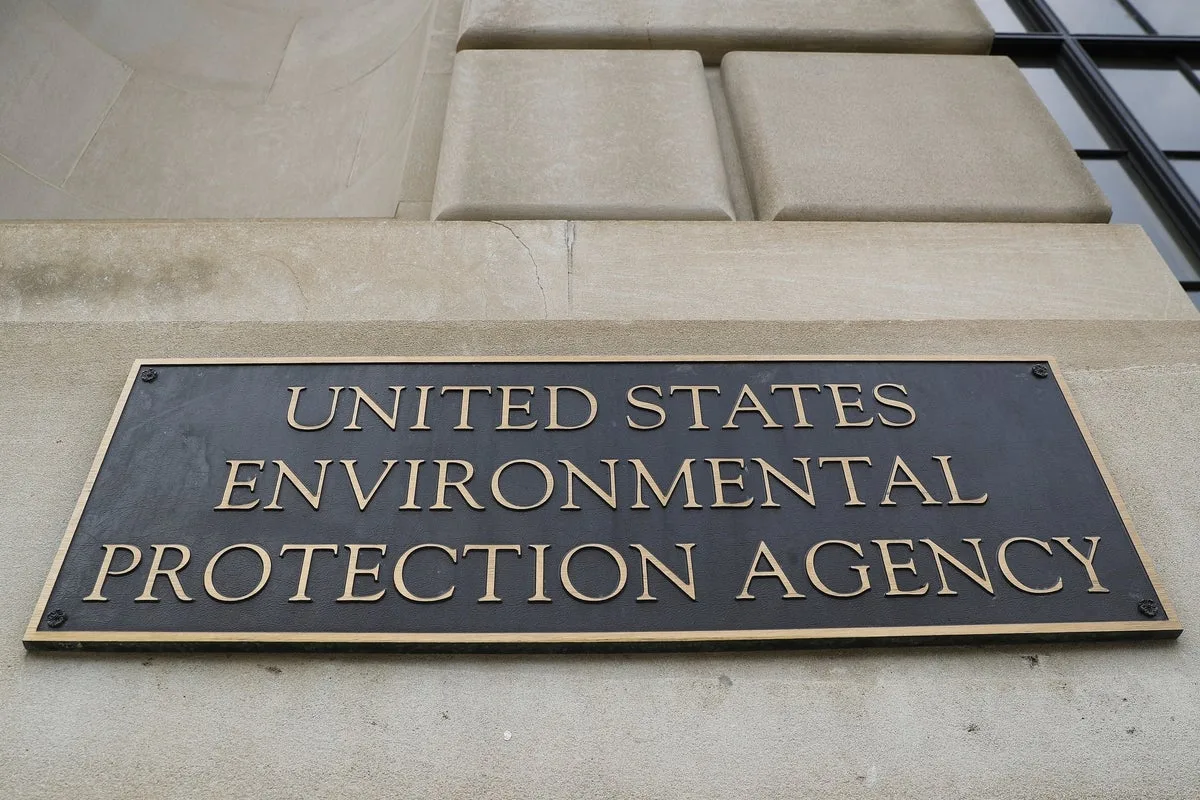
EPA Proposes Weaker Air Pollution Limits for Medical Sterilisation Chemical
EPA Proposes Weaker Pollution Limits for Medical Sterilisation

EPA Moves to Weaken Pollution Limits on Chemical Used to Sterilise Medical Equipment

The Environmental Protection Agency has proposed weakening air pollution limits for a chemical used to sterilise medical equipment, a move that would reverse a Biden administration finding of high cancer risks at manufacturing facilities.

Reversal of Biden-Era Standards

The EPA announced on Friday that it is concerned the current Biden-era standards "actively threaten" manufacturers' abilities to sterilise equipment and "jeopardise one of America's only options for a secure domestic supply chain of essential medical equipment." Ethylene oxide plays a crucial role in sterilising lifesaving medical devices including pacemakers and syringes, but long-term exposure can cause leukemia and other cancers among workers and nearby residents.

Administrator's Statement on Health and Supply Chain Balance

EPA Administrator Lee Zeldin stated the proposed rule demonstrates the agency's commitment to protecting public health while maintaining a stable domestic medical supply chain. "The Trump EPA is committed to ensuring life-saving medical devices remain available for the critical care of America's children, elderly and all patients without unnecessary exposure to communities," he said in an official statement.

Latest in Series of Regulatory Rollbacks

This proposal represents the latest in a series of moves by the EPA under President Donald Trump to relax pollution limits and lower costs for industry. In February alone, the agency weakened restrictions on mercury from coal-burning power plants and repealed a scientific finding that served as the central basis for US action to regulate greenhouse gas emissions and combat climate change.

Previous Regulations and Health Concerns

An EPA rule finalised in 2024 was designed to reduce ethylene oxide emissions by approximately 90% by targeting nearly 90 commercial sterilisation facilities nationwide. The Biden-era regulation also mandated companies test for the antimicrobial chemical in the air and ensure their pollution controls function properly. The American Lung Association hailed the 2024 rule as a vital step to protect human health from cancer caused by ethylene oxide emissions, noting that people living near commercial sterilisation facilities face increased lifetime cancer risks.

Environmental Justice Implications

Environmental justice advocates have highlighted that many ethylene oxide facilities are situated in minority communities where Black and Brown populations have been disproportionately exposed to the cancer-causing chemical. Ethylene oxide, also known as EtO, is a gas used to sterilise roughly half of all medical devices and ensures the safety of certain spices and food products. It cleans everything from catheters and syringes to pacemakers and plastic surgical gowns.

Health Risks and Historical Context

While brief exposure isn't considered dangerous, long-term inhalation elevates risks of breast cancer and lymphoma, according to EPA assessments. The agency first classified ethylene oxide as a human carcinogen in 2016. In 2022, the EPA detailed risks faced by residents living near medical sterilisation facilities. For instance, in Laredo, Texas, residents and activists campaigned to clean up a sterilisation facility operated by Missouri-based Midwest Sterilisation Corp, one of 23 US sterilizers the EPA identified as posing risks to nearby populations.

Industry Response and Legal Settlements

Sterigenics, a major sterilisation company, closed a medical sterilisation plant in a Chicago suburb after monitoring detected emission spikes in adjacent neighbourhoods, eventually settling numerous lawsuits. Scott Whitaker, president and CEO of the Advanced Medical Technology Association, emphasised that medical sterilizers provide an essential service, with many devices incapable of being sterilised by alternative methods. "We appreciate the EPA's efforts in listening to and understanding the importance of supplying safe, sterile medical technology without interruption while protecting employees and communities near sterilisation facilities," he stated via email.




