EPA Chief Met Bayer CEO Before Supreme Court Fight Over Glyphosate
EPA Chief Met Bayer CEO Before Supreme Court Glyphosate Fight

EPA Chief's Meeting with Bayer CEO Preceded Supreme Court Support

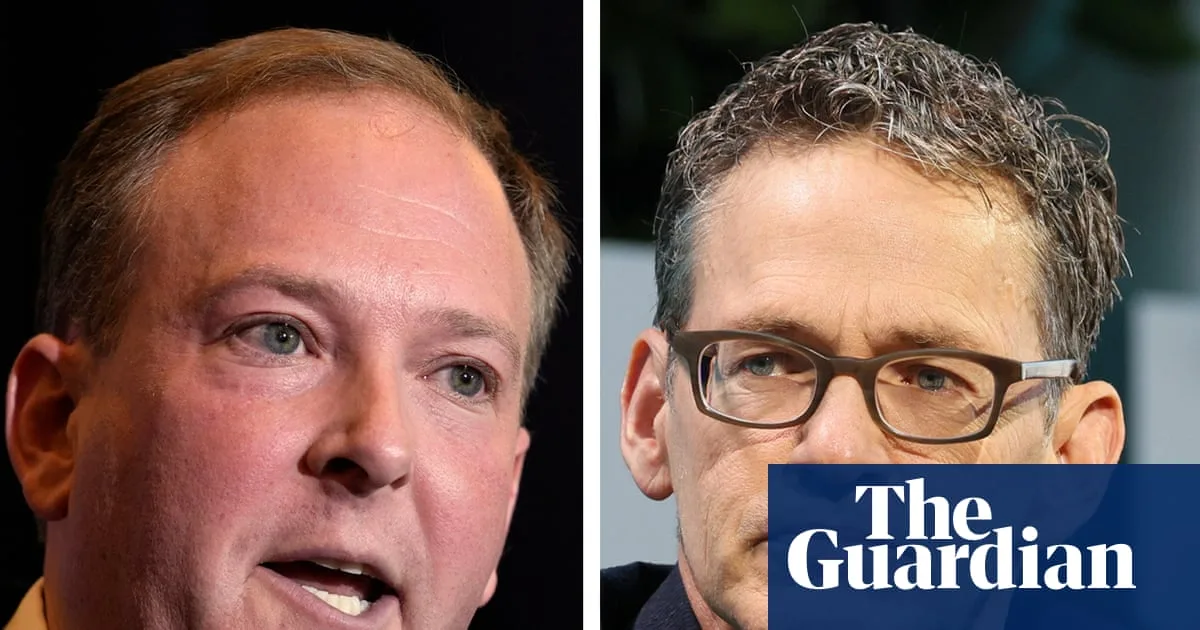
Internal government records have revealed that top US regulators, including Environmental Protection Agency (EPA) chief Lee Zeldin, met with Bayer CEO Bill Anderson last year to discuss "supreme court action" concerning the company's glyphosate-based weed killers. The meeting, which took place on 17 June, occurred just months before the Trump administration took a series of steps to bolster Bayer's position in a high-stakes legal battle at the Supreme Court.

Background of the Glyphosate Litigation

Bayer, a Germany-based multinational, has faced tens of thousands of lawsuits in the United States from individuals alleging they developed cancer due to exposure to glyphosate herbicides like Roundup. The litigation centers on claims that Bayer failed to warn users about cancer risks, supported by numerous research studies over many years. To date, these cases have cost Bayer billions of dollars in settlements and jury verdicts.

One of Bayer's key strategies to end the litigation involves a preemption argument: if the EPA does not require a cancer warning on glyphosate products, the company argues it cannot be held liable for failing to warn of cancer risks. While one appellate court has sided with Bayer, multiple other courts and the US solicitor general under the Biden administration have rejected this argument. In contrast, the Trump administration has actively defended and promoted Bayer's position.

Details of the High-Level Meeting

According to internal EPA emails and visitor logs obtained through a Freedom of Information Act request by the Center for Biological Diversity, the meeting on 17 June included Anderson and two other top Bayer executives. They arrived at the EPA shortly before 1 pm to discuss legal and judicial issues, with "supreme court action" listed as a key topic. The planning email from 13 June stated that Bayer's team would "give an update to the administrator on where they stand in litigation and labeling options."

EPA officials in attendance were to include Administrator Lee Zeldin, Nancy Beck (principal deputy assistant administrator in the Office of Chemical Safety and Pollution Prevention), Sean Donahue (EPA general counsel), and Turner Bridgforth (senior adviser for the Office of Agriculture and Rural Affairs). The meeting occurred less than two weeks before the Supreme Court requested the Trump administration's Justice Department to weigh in on whether to hear Bayer's case.

Subsequent Actions by the Trump Administration

Following the meeting, the Trump administration demonstrated significant support for Bayer. In December, Solicitor General D John Sauer, appointed by the Trump administration, filed a brief urging the Supreme Court to take up Bayer's case, which the court agreed to do, scheduling a hearing for 27 April. In February, the White House invoked the Defense Production Act to protect glyphosate herbicide production and provide immunity for manufacturers like Bayer. In March, Sauer filed an amicus brief with the Supreme Court, fully backing Bayer's position, with Donahue signing off on it.

Reactions and Concerns

Bayer stated that the meeting was "a normal part of the regulatory process" and that the company has been transparent about its position on glyphosate litigation. However, critics have raised alarms about the influence of corporate interests on regulatory decisions. Nathan Donley, environmental health science director at the Center for Biological Diversity, said, "It's becoming abundantly clear that the political appointees at the EPA are more invested in protecting pesticide company profits than the health of Americans."

Whitney Di Bona, an attorney and consumer safety advocate at Drugwatch, expressed concern: "It's concerning that the CEO of a major pesticide company can have private meetings with the EPA to talk about limiting the company's liability. We should also ask whether the agency gave the same chance to speak to the thousands of people who say they got cancer after using Roundup."

Naomi Oreskes, a Harvard professor who studies corporate influence in regulation, noted that such high-level meetings reflect a pattern where industry leaders have greater access to government officials than ordinary citizens. Zen Honeycutt, founder of Moms Across America, added that coercion by chemical companies on regulatory agencies is not new, citing her organization's limited success in meetings with EPA leadership.

The EPA did not respond to requests for comment on the matter. This story highlights ongoing debates about corporate influence, regulatory transparency, and public health in the context of environmental policy.




