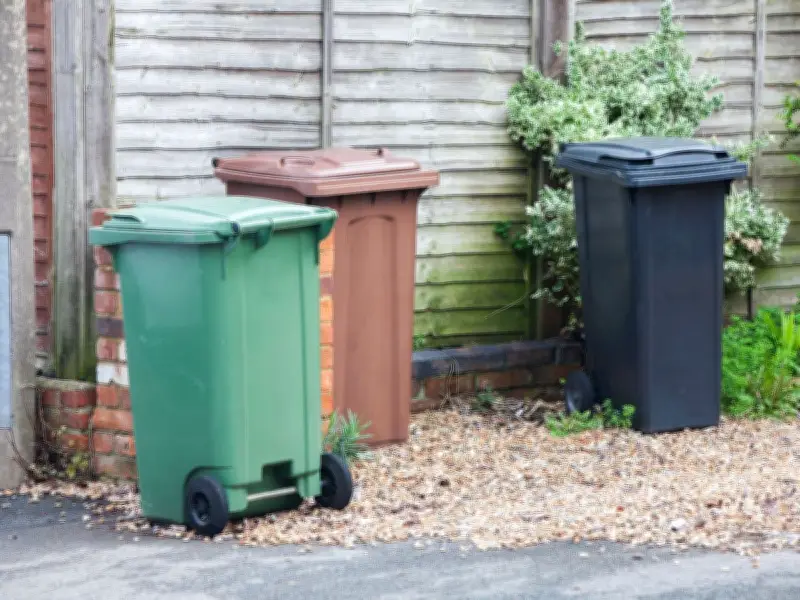
Households in England are being warned that they could face fines if they break four key rules on bin day. With major changes to bin collections this year, including separate collections for food waste, paper, glass, metal, and plastic, it is essential for residents to understand what is expected of them.
Common bin mistakes that can lead to fines
Local authorities have the power to issue fixed penalty notices to households that fail to follow waste collection rules. The following actions can result in fines:
- Obstructing neighbours: Placing bins in a way that forces wheelchair users or parents with buggies to walk on the road.
- Restricting access: Leaving bins or bags on the pavement or street for several days.
- Attracting vermin: Leaving bags or open receptacles out days before collection, which can attract foxes and rats.
- Unsightly waste: Leaving torn bags or overturned receptacles that create an eyesore.
When fines cannot be issued
According to the Department for Environment, Food & Rural Affairs (Defra), minor issues should not result in penalties. These include:

- Accidentally placing the wrong item in a bin.
- Forgetting to close the bin lid.
- Leaving bins out for a few hours before collection.
How the penalty process works
If a household breaches the rules, the local authority may first issue a written warning explaining why the rules were broken. If the issue persists, a notice of intent can be sent, followed by a final notice after 28 days. The maximum fine is £80. Households must be informed of the reason for the penalty, the payment deadline, early payment options, consequences of non-payment, and how to appeal.
Defra emphasizes that penalties should focus on those causing genuine harm to the local environment, not on minor breaches. The government encourages a measured and balanced approach to enforcement.