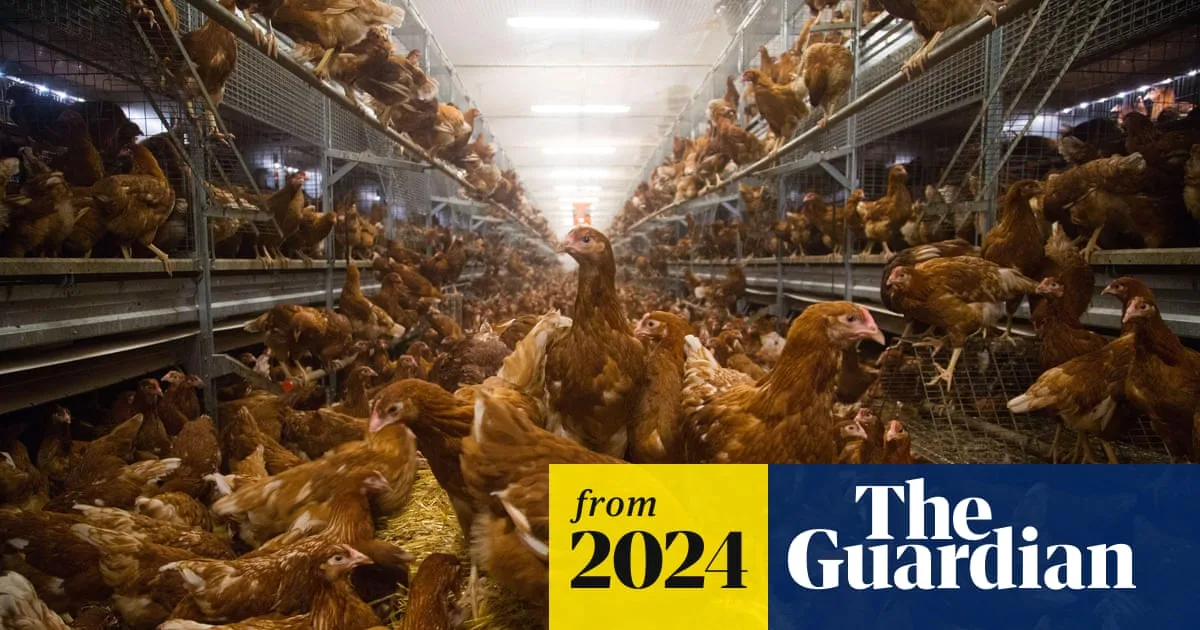
UK's Missing 67 Million Chickens: Data Gaps Threaten Rivers and Wildlife
67 Million Missing Chickens: UK Data Crisis Threatens Rivers

New research has uncovered startling discrepancies in official UK poultry statistics, suggesting there could be more than 67 million chickens missing from government records. This data gap has serious implications for environmental management, particularly regarding water pollution from poultry manure.

The Scale of the Discrepancy

A comprehensive report titled 'Counting Chickens – An analysis of UK poultry numbers' reveals major inconsistencies between different government agencies' estimates. The Department for Environment, Food and Rural Affairs (DEFRA) appears to be significantly undercounting poultry populations compared to other data providers including the Environment Agency and the Animal and Plant Health Agency.

Hotspot Counties Show Dramatic Differences

Analysis focused on four key poultry farming counties – Lincolnshire, Norfolk, Shropshire and Herefordshire – reveals DEFRA's survey reports bird numbers up to 150 percent lower than other agencies. In these counties alone, researchers estimate approximately 25 million birds are missing from published data.

Wide Pickt banner — collaborative shopping lists app for Telegram, phone mockup with grocery list

When extrapolated to the entire UK, this suggests over 67 million chickens may be unaccounted for in official statistics. This represents potentially one-third of the actual poultry population going unreported.

Environmental Consequences of Unreported Poultry

The implications of these data inaccuracies extend far beyond statistical concerns. Vicki Hird, strategic lead on agriculture at The Wildlife Trusts, explains: 'The evidence is clear: government decisions on poultry permits, and subsequent land use and pollution impacts, are based on misleading data.'

Manure Management Crisis

Failure to recognize the true scale of chicken farming means the equivalent of 74 Olympic-sized swimming pools of poultry manure goes unreported annually in England alone. This highly concentrated waste accumulates in the environment, particularly affecting:

  • Canals, rivers and lakes
  • Water quality through nitrogen and phosphorus pollution
  • Wildlife habitats and populations

The pollutants from this manure have devastating impacts on aquatic ecosystems, with nitrogen and phosphorus causing severe ecological decline in sensitive waterways.

Case Study: The River Wye Crisis

The River Wye exemplifies the consequences of intensive poultry farming combined with inadequate data. Once one of Britain's premier fishing rivers, the Wye has seen its health status downgraded due to pollution from intensive farming operations.

More than 20 million birds are believed to be housed in industrial farms along the river, producing tonnes of phosphate-rich manure that eventually reaches the waterway. The pervasive algae growth resulting from this pollution reduces oxygen levels, effectively suffocating aquatic life.

Legal Action and Community Response

Last year, law firm Leigh Day brought the largest environmental pollution claim in UK history against Avara Foods poultry group and Dŵr Cymru Welsh Water. The action represents over 4,000 local residents frustrated with the river's deteriorating condition.

If successful, this legal claim would force alleged polluters to clean up not only the Wye but also nearby rivers including the Usk and the Lugg.

Broader Implications for Policy and Planning

The Wildlife Trusts warn that misleading poultry figures are being used to inform critical government policies regarding:

  1. Land use planning and environmental regulations
  2. Permitting decisions for new poultry operations
  3. Water pollution management strategies
  4. Agricultural sector profitability assessments

These data inaccuracies mean the substantial impacts on water pollution, nature conservation, and sustainable land use may be systematically underestimated in policy decisions.

The Feed Production Problem

Beyond direct manure pollution, the increasing land required to produce poultry feed – both in the UK and globally – creates additional environmental pressures. Large quantities of pesticides and fertilizers needed for feed production contribute to broader ecological challenges.

Pickt after-article banner — collaborative shopping lists app with family illustration

Calls for Urgent Action

The Wildlife Trusts emphasize that immediate steps must be taken to ensure accurate poultry data across all four UK nations. Vicki Hird states: 'With discussions underway about both water reforms and the profitability of the poultry sector, it's essential that the government ensures accurate data is being used to inform policy changes and action.'

Key recommendations include:

  • Harmonizing data collection across government agencies
  • Updating permitting rules to account for environmental impacts
  • Supporting farmers in transitioning to less polluting practices
  • Using correct figures to inform growth plans and regulations

Only through these measures, experts argue, can the UK develop a poultry system that works sustainably for farmers, wildlife, and communities into the future.

The research findings highlight how seemingly dry statistical discrepancies can have profound real-world consequences for environmental protection and public health. As the debate continues about balancing agricultural productivity with ecological sustainability, accurate data must form the foundation of all policy decisions.