Historic Shipwreck Uncovered on New Jersey Shore After Winter Erosion
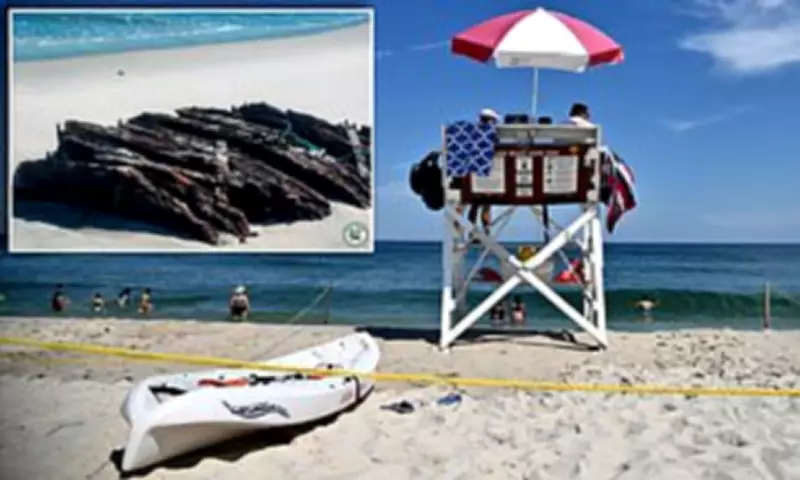
The remnants of a long-lost 19th-century vessel have dramatically emerged from the sands of a New Jersey beach, offering a rare glimpse into the region's maritime past. The wreckage, discovered on the shores of Island Beach State Park, has been officially identified as the Lawrence N. McKenzie, a cargo schooner built in 1883.
A Fateful Voyage and Miraculous Survival
This 98.2-foot ship met its fate on March 21, 1890, while en route from Puerto Rico to New York City. Caught in treacherous seas, the vessel and its valuable cargo were swept away. Remarkably, all eight crew members aboard the Lawrence N. McKenzie survived the ordeal, escaping the sinking ship.
The schooner, whose home port was Provincown, Massachusetts, was transporting a load of oranges valued at $2,000 at the time—equivalent to approximately $71,000 today. The ship itself was worth $9,000, roughly $321,000 in modern currency.

Erosion Reveals Hidden History
The shipwreck has become visible due to recent turbulent winds and seasonal storms that have shifted sand levels along the shoreline over the past few weeks. Park officials explained that high-energy waves during winter months typically remove sand, resulting in narrower beaches and steeper profiles.
While most beaches recover during calmer summer months, this winter's erosion has temporarily unveiled a piece of the park's maritime history. Such discoveries are exceptionally rare, with only a handful of shipwrecks appearing in the area in recent years.
Protecting the Past for Future Generations
Island Beach State Park, which protects a ten-mile barrier island between the ocean and Barnegat Bay, has issued a stern warning to visitors. Tampering with the shipwreck ruins is strictly prohibited under state park code, with violators potentially facing fines from the New Jersey State Park Police.
This is not the first time the Lawrence N. McKenzie has surfaced—officials confirmed it has appeared before, though not in over a decade. The park's diverse ecosystem, supporting over 400 plant species and various wildlife, now shares its space with this historical artifact.
Parallel Discovery: Medieval 'Super Ship' Found in Denmark
In a coincidental maritime discovery, archaeologists have uncovered the remains of a medieval 'super ship' off the coast of Denmark. Dating back 600 years, this exceptionally large cog ship—named Svælget 2—represents the largest vessel of its kind ever found.
Measuring approximately 92 feet in length, 30 feet wide, and 20 feet high, the ship was capable of carrying around 300 tonnes of cargo. Discovered at a depth of 13 meters where it was well-preserved, the wreck retained traces of rigging and revealed numerous artifacts including:
- Painted wooden dishes
- Leather shoes
- Combs
- Rosary beads
Excavation leader Otto Uldum described the find as a milestone for maritime archaeology, providing unique insights into the construction and life aboard the largest trading ships of the Middle Ages. The discovery included extensive remains of a timber-built stern castle where crew could seek shelter.
These parallel discoveries—separated by centuries and continents—highlight how natural forces and archaeological efforts continue to reveal hidden chapters of our seafaring history.