Joseph Conrad's Timeless Salute to RNLI Bravery
The celebrated novelist Joseph Conrad, drawing from his own experiences as a merchant seaman, delivered a poignant tribute to the Royal National Lifeboat Institution (RNLI) just before its centenary in 1924. He eloquently captured the seafarer's profound admiration for lifeboat crews who venture out on dark nights without hesitation, challenging the fury of the ocean to dispute what he termed "our homeless fate with the angry seas." This sentiment, rooted in the era of the Dungeness Lifeboat, continues to resonate powerfully today.
Evolution of Lifeboat Service Amidst Changing Tides
A century later, while the fundamental mission remains unchanged, significant transformations have occurred. Modern lifeboats are notably sturdier and faster, capable of crossing the English Channel in a mere hour, and are equipped with advanced technology such as radar. However, the heart of the operation—the volunteer crews—persists, standing ready in all weather conditions to assist those in peril at sea. In Conrad's time, a plentiful supply of experienced fishermen manned these vessels. Today, with the near collapse of commercial fishing, the RNLI increasingly relies on volunteers who often possess minimal seagoing experience.
These dedicated men and women must be trained from the ground up, learning essential skills like tying secure knots, deploying anchor chains, interpreting tidal patterns, and performing the grim task of recovering lifeless bodies from the water. The shift in recruitment reflects broader societal changes but underscores the unwavering commitment of these volunteers.

Personal Journey: From Landlocked Childhood to Coastal Guardian
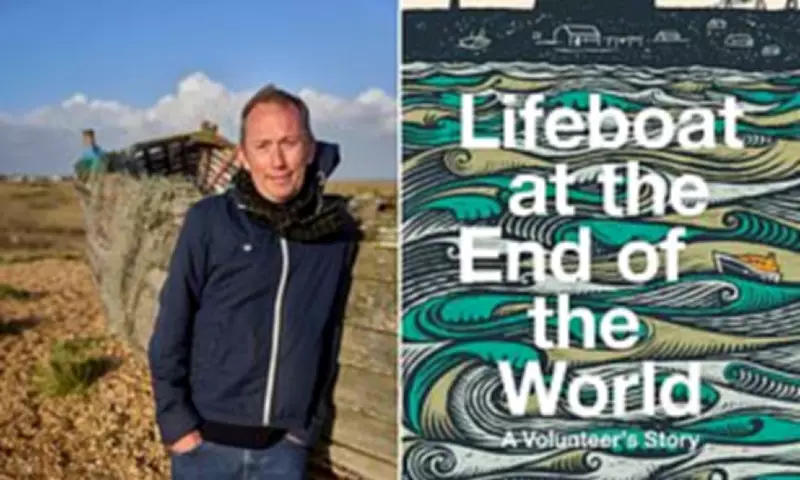
One such volunteer, Gregory, exemplifies this new wave of RNLI crew members. Growing up in a landlocked region of Britain, his childhood fascination was sparked by a Ladybird book about lifeboats. Years later, upon relocating to Dungeness in Kent—a place often described as the "end of the world"—joining the local lifeboat crew felt like a natural progression. The methods of summoning crews have evolved dramatically; where once gunpowder rockets signaled an emergency, today's volunteers are alerted by pagers, requiring them to drop everything immediately. Gregory notes wryly that such dedication necessitates a sympathetic employer and an understanding spouse.
Escalating Tempo: The Migrant Crisis and Daily Rescues
In his early years as a volunteer, weeks might pass without a single callout. However, the landscape shifted dramatically with the surge in migrants attempting to cross the Channel in increasing numbers. The tempo of operations intensified, transforming the lifeboat's role. Soon, crews found themselves rescuing exhausted individuals from flimsy boats on a daily basis. A poignant detail emerges: migrants, upon seeing the imposing silhouette of Dungeness's nuclear power station, sometimes mistakenly believe they have arrived in London, highlighting their desperate journeys.
One particularly harrowing night in December 2022 stands out. An overcrowded dinghy broke apart, forcing the Dungeness crew into a frantic effort to haul people from the treacherous waters. During the chaos, one crew member was temporarily feared lost, only to be found swimming safely toward shore while cradling a drowned man in his arms. While official reports listed four migrant fatalities, Gregory believes the true death toll was at least double that number, underscoring the tragic realities of these missions.
Moral and Legal Imperatives in Rescue Operations
The RNLI's involvement in migrant rescues has sparked controversy, with some segments of the public disapproving. Gregory addresses this directly, emphasizing that aiding people in distress is not merely a moral choice but a legal obligation. He writes, "To ignore a cry for help at sea would be to break the law, no matter whether on one side of an international border or the other." This principle forms the ethical backbone of the RNLI's work, reinforcing their duty to save lives regardless of circumstances.

A Powerful Literary Tribute to Modern Heroes
The book Lifeboat at the Edge of the World, now available, serves as a powerful and moving testament to these volunteers. It is filled with thrilling narratives that vividly convey the experience of battling gale-force winds so intense and salt-laden that they can strip away eyebrows and eyelashes. Readers cannot help but feel awestruck by the dedication and selflessness of these crews, who possess a profound understanding that "the border between life and death is even thinner than that between water and air." This evocative line echoes Conrad's earlier tribute, bridging a century of unwavering bravery and service.