
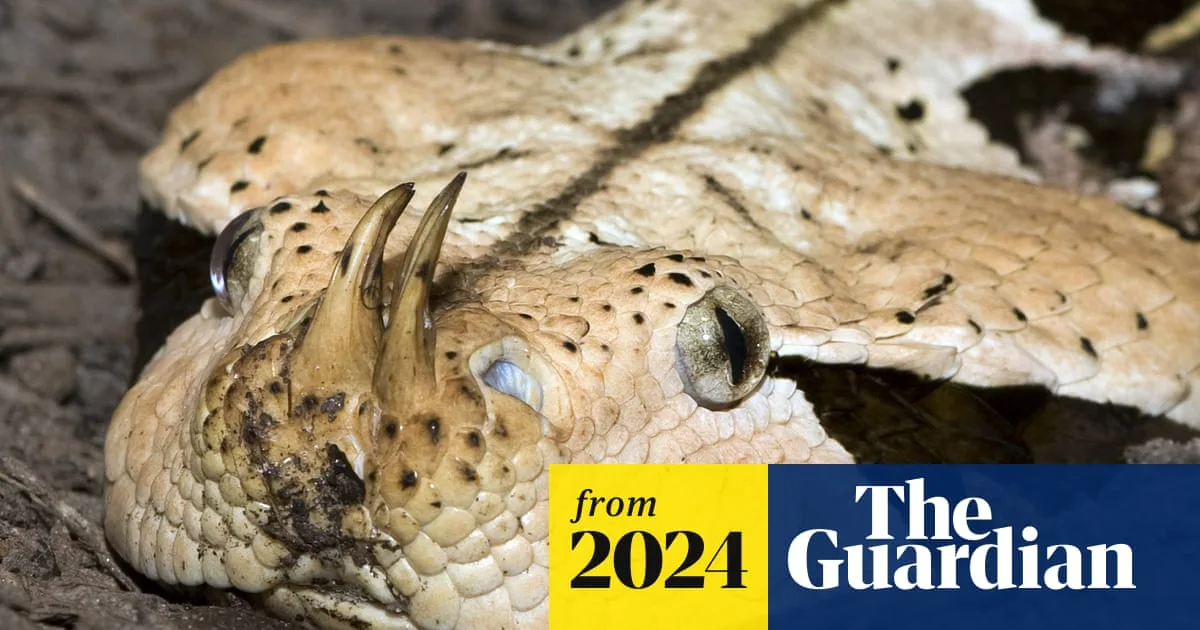
Climate breakdown is likely to drive large-scale migration of venomous snake species into new regions, leaving many unprepared countries vulnerable to bites, according to a study published in Lancet Planetary Health.
Researchers modelled the distribution of 209 venomous snake species known to cause medical emergencies in humans, projecting their habitats under climate conditions by 2070. Nepal, Niger, Namibia, China, and Myanmar are expected to gain the most species from neighbouring countries.
While most venomous snakes will see range contractions due to loss of tropical ecosystems, some like the west African gaboon viper could see habitats increase by up to 250%. The European asp and horned viper are forecast to more than double their ranges.
Low-income countries in south and south-east Asia and parts of Africa are highly vulnerable to increased snakebites. The World Health Organization estimates 1.8 to 2.7 million people are bitten annually, causing up to 138,000 deaths and 400,000 amputations or permanent disabilities.
Study authors Pablo Ariel Martinez and Talita F Amado noted that agricultural expansion destroys natural habitats, but some generalist snakes adapt to crop fields and livestock areas. “When venomous snakes start showing up in new places, it’s a wake-up call,” they said.
WHO researcher Anna Pintor stressed the need to understand how climate change will affect bite locations and frequency. Soumyadeep Bhaumik of the University of New South Wales added, “International borders are not for snakes, they are for humans.”




