National Trust experts are forecasting a particularly vivid autumn display across the UK, thanks to a sun-drenched summer followed by rainy September. The combination is expected to produce a long, gradual wave of reds and yellows, with annuals and herbaceous perennials enjoying a second flush of colour.
John Deakin, head of trees and woodland at the National Trust, explained that recent weather patterns have made autumn colour harder to predict, but this year's settled spring and September rainfall should lead to a prolonged period of trees moving into senescence. This process, where chlorophyll breaks down, reveals other pigments that create the ochres, oranges, reds and yellows associated with the season.
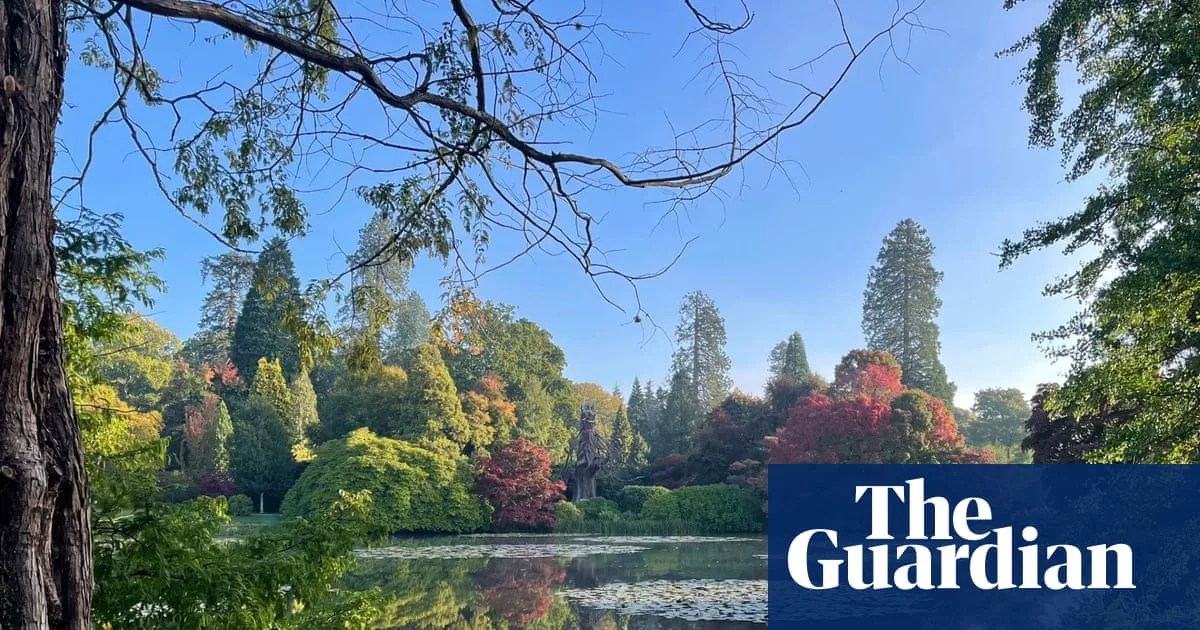
September's rain helped halt a 'false autumn' that had caused some leaves to turn and fall early. Storm Amy at the weekend caused less damage to leaf-heavy trees than feared. At Sheffield Park and Garden in East Sussex, head gardener Steve Feazey noted that the trees have had a good drink and the display is expected to be 'fiery and spectacular'. He said the bitternut hickory at the entrance turning completely yellow signals the official start of autumn, which he expects this week.

At Petworth House and Park in West Sussex, countryside manager Martyn Burkinshaw reported that the summer drought was hard on veteran trees, with some dying and others dropping leaves early. However, American oaks, scarlet oaks and pin oaks are beginning to turn red. At Stourhead in Wiltshire, Tim Parker believes autumn colour will peak in the last week of October or first week of November.
In south Wales, Dyffryn Gardens' Persian ironwood is expected to provide a rainbow of colour from bright green to purple, orange and almost jet black. A 'mast year' of abundant acorns, conkers and hedgerow fruit is good news for wildlife, with bountiful fungi and berries reported. At Dyrham Park near Bath, the meadow is inundated with waxcap fungi, while at Dunham Massey near Altrincham, head gardener Emily Chandler said the volume of acorns is 'the largest we have ever seen'.