
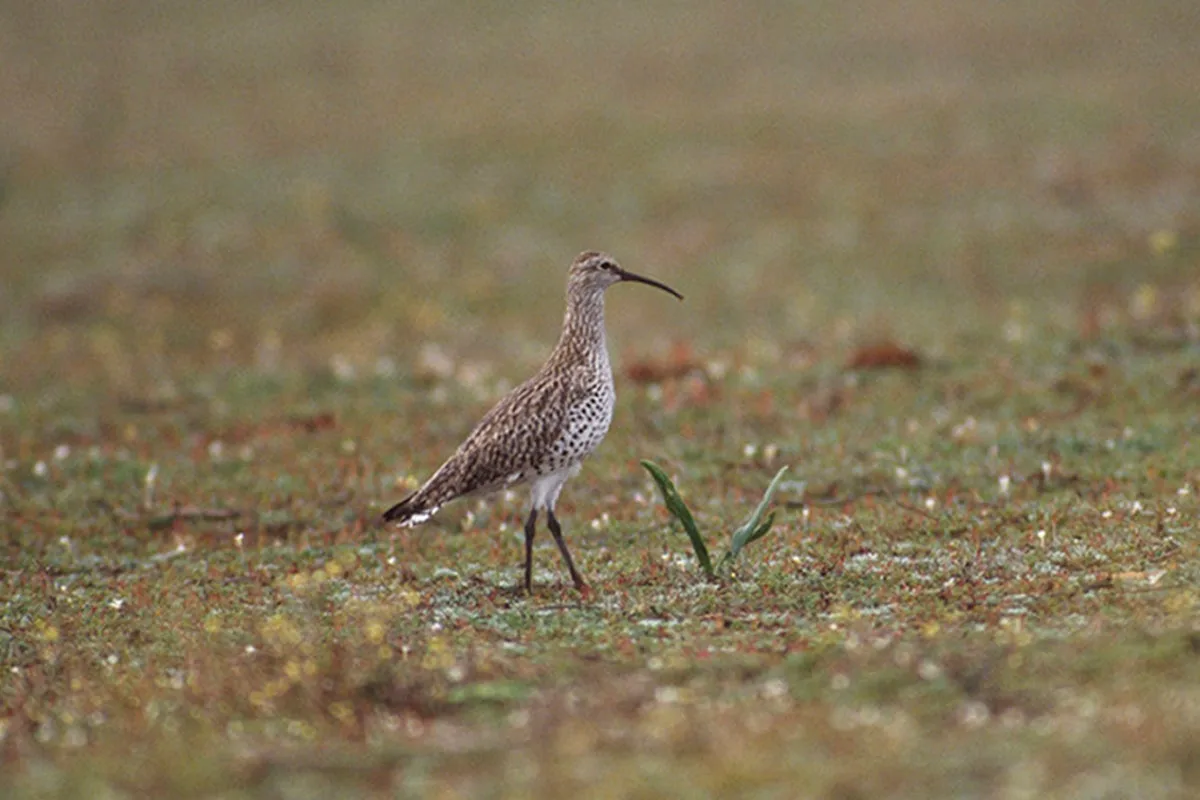
The slender-billed curlew (Numenius tenuirostris) has been officially declared extinct by the International Union for Conservation of Nature (IUCN), marking the first global bird extinction from mainland Europe, North Africa, and West Asia. The declaration, made official in October 2025, follows decades of decline and the absence of confirmed sightings since the mid-1990s.
Warning signs emerged as early as 1912, but it was not until 1988 that the species was classified as a high conservation concern. Extensive searches failed to locate any remaining birds, and extinction was deemed highly probable in 2024. The curlew was migratory, breeding in central Asia and wintering in Europe, North Africa, and the Middle East, relying on a chain of habitats across its range.
The exact pressures remain unclear, but hunting along its migratory route is considered a major factor in initial declines. The drainage of wetlands and overgrazing of grasslands destroyed breeding sites, while a lack of knowledge about its distribution and ecology hampered conservation efforts. The species faced high mortality and low breeding success.
The slender-billed curlew was a distinctive bird, with long legs and a slim, pointed black bill, and its sweet, whistling calls were described as haunting. As a predator of small insects, crustaceans and molluscs, it played a vital role in aquatic ecosystems such as peat bogs. Its loss leaves a gap in these habitats, which also served as indicators of environmental health, including water contamination and nutrient changes.
Wading birds are declining globally, with UK species such as lapwing, redshank, snipe and oystercatcher suffering population and range reductions. The closely related Eurasian curlew is considered the UK's most rapidly declining bird, with numbers falling by 51% between 1995 and 2023. Conservation efforts, including the UK Action Plan for Curlew, are striving to prevent a similar fate, but the extinction of the slender-billed curlew serves as a stark reminder of the urgent need for action.




