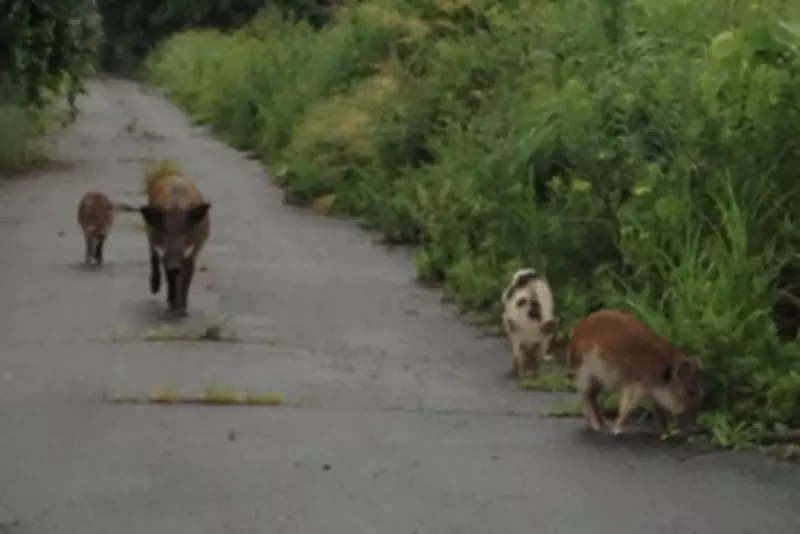
Radioactive Pig-Boar Hybrids Thrive in Fukushima's Nuclear Exclusion Zone
Japanese researchers have successfully decoded the genetic mechanisms driving the proliferation of radioactive pig-boar hybrids within Fukushima's abandoned evacuation zone. This unique natural experiment emerged following the catastrophic 2011 nuclear accident, when domestic pigs escaped and interbred with native wild boars in the contaminated area.
Genetic Evolution of Hybrid Populations
The comprehensive study revealed that domestic pig genes were rapidly diluted across successive generations, causing the hybrids to become increasingly wild boar-like over time. However, a crucial trait persisted: the rapid, year-round reproductive capacity inherited from their domestic pig ancestors. This combination has created a resilient hybrid population that continues to expand within the radioactive environment.
Global Implications for Wildlife Management
These groundbreaking findings provide valuable insights for wildlife management and damage control strategies worldwide, particularly concerning invasive species and population explosion risks. The research demonstrates how hybrid species can adapt to extreme environments while maintaining advantageous reproductive characteristics from their domestic lineage.

The study represents a significant advancement in understanding how animal populations evolve in post-disaster landscapes, offering practical applications for managing similar ecological challenges globally.