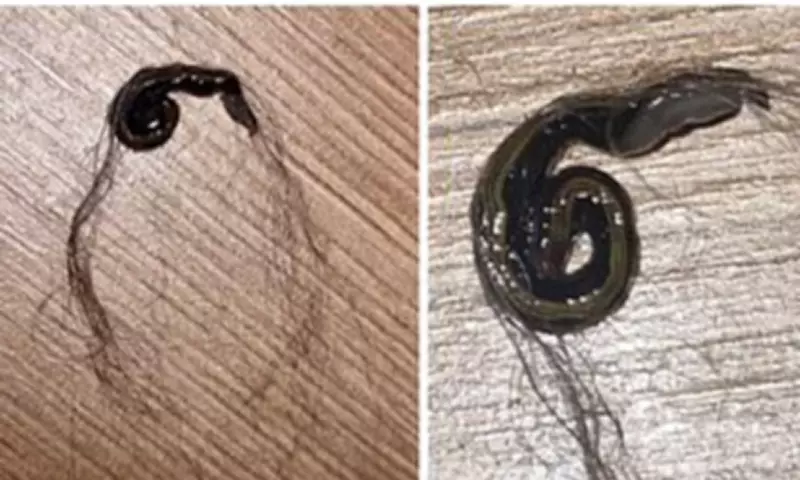
Invasive Flatworms Using Pets as Unwitting Transport Across Europe
Pet owners across Britain and Europe are being urged to remain vigilant after scientists discovered that invasive flatworms are spreading by hitching rides on domestic cats and dogs. Researchers from the French National Museum of Natural History have uncovered compelling evidence that these creatures are exploiting pets as a novel mode of transportation, potentially accelerating their invasion across the continent.
Sticky Secretions Enable Fur Attachment
The study, published in the scientific journal PeerJ, details how flatworms—specifically the species Caenoplana variegata—use a sticky mucus secretion to cling to animal fur. These worms can grow up to 7.8 inches (20 centimetres) in length and are visually distinctive, featuring a bright yellow stripe along their dorsal surface flanked by two narrower brown stripes. Grisly photographs released by the research team show specimens collected from pets, complete with tufts of hair still attached, underscoring their adhesive capabilities.
While these flatworms pose no direct danger to the health of cats or dogs, their ecological impact is significant. They are voracious predators of native arthropods and can disrupt soil ecosystems, contributing to biodiversity loss. The researchers emphasised that although this transport mechanism is relatively rare, the sheer scale of pet movements makes it a consequential factor in species invasion.

Citizen Science Uncovers Hidden Dispersal Route
For over twelve years, the team analysed reports gathered through citizen science initiatives in France, which revealed that flatworms were being inadvertently carried by pets. "One question remained unanswered: how do these very slow-moving animals manage to colonise neighbouring gardens?" the researchers noted. Their investigation pointed to pets as a previously overlooked vector.
Britain is home to approximately 21 species of land flatworms, only four of which are native. The remaining 17 are invasive, with origins elsewhere. Previously, it was believed that these organisms spread primarily through the transport of plants, but this new research highlights a more complex dispersal network involving domestic animals.
Global Implications and Preventive Measures
The study focused on France, but the scientists believe the findings have broader relevance. "This could apply to all countries in Europe or other continents where the worm is present, with millions of dogs and cats, and hundreds of billions of kilometres travelled," they explained. Professor Jean-Lou Justine of the French Museum of Natural History in Paris stated, "Given the considerable distances travelled each year by domestic animals, this mode of transport may significantly contribute to the global spread of certain invasive flatworm species."
To mitigate this issue, pet owners are advised to regularly inspect their animals for pests. The researchers estimate that domestic pets travel approximately 18 billion kilometres annually across Europe, creating ample opportunity for invasive species to spread. This non-human, non-mechanised transport represents a final stage in the invasion process, complementing initial human-mediated introductions.
Understanding Invasive Species Dynamics
Invasive species, whether animals, plants, or microbes, are organisms introduced to regions outside their native range, often through human activity. Examples include hammerhead flatworms that prey on earthworms globally, Burmese pythons in the Florida Everglades, and Japanese knotweed in Europe and the United States. Climate change further exacerbates these invasions by enabling species to thrive in new areas.
The yellow-striped flatworm, native to Australia, is particularly adept at dispersal due to its sticky mucus, diet of arthropods, and ability to reproduce asexually. As the research underscores, proactive monitoring and public awareness are essential to curb the ecological damage caused by such invasive species, ensuring the protection of native biodiversity and soil health across affected regions.