Invasive Little Corellas Overrun Kangaroo Island, Defying Control Measures
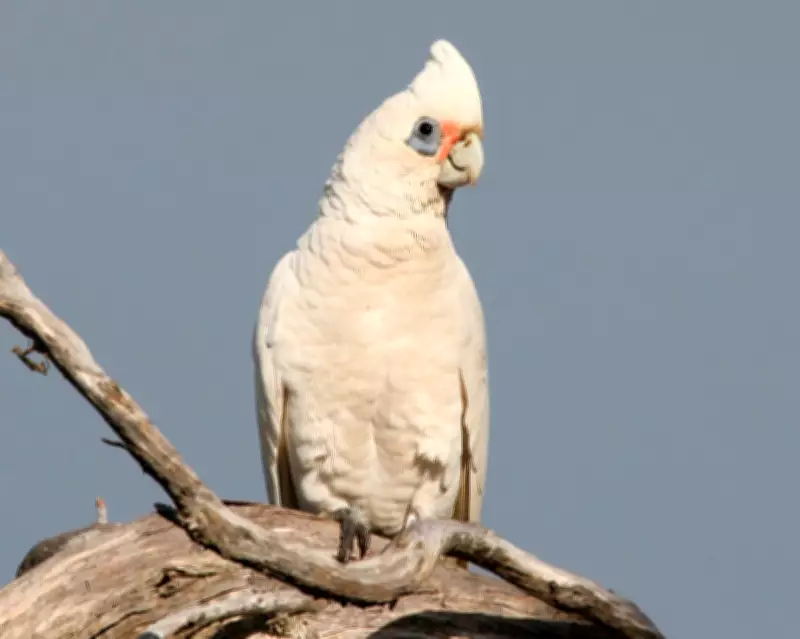
Authorities on Kangaroo Island in South Australia report that thousands of invasive little corellas continue to terrorise the local community, despite recent culling efforts that have proven inadequate to address the escalating problem. These birds, which are not native to the island, have created widespread disruption, covering a school in faeces, tearing up infrastructure, damaging crops, and causing significant mental distress to residents with their incessant screeching.
Ecological and Social Impacts of the Corella Invasion
The little corellas, scientifically known as Cacatua sanguinea, first arrived on Kangaroo Island in the 1960s. Their population has exploded due to reliable water sources from stock troughs and dams, as well as abundant food from grain crops. This invasive species has been observed using the nesting hollows of the endangered glossy-black cockatoo, smashing their eggs and killing nestlings, thereby threatening local biodiversity.
Parents at the Kangaroo Island Community Education's Kingscote campus have expressed particular concern, as the birds have covered tables and play equipment with droppings, posing health risks. Diseases such as ornithosis, a bacterial condition, can be transmitted from little corellas to humans, adding to the public health concerns.

Failed Control Attempts and Innovative Strategies
Past attempts to manage the corella population through shooting, scaring, trapping, or gassing have largely failed. The highly intelligent birds have learned to survive these methods or simply relocated to cause havoc elsewhere. In March, the Kangaroo Island Landscape Board completed a shooting trial that killed 2,640 little corellas, including at the school, using thermal and infrared technology to target them during night-time roosting.
Will Durack, the board's general manager, noted that night-time shooting was more efficient, as roosting birds are easier to kill in large numbers. However, it remains unclear how much this has reduced the overall population. Durack emphasised that the island has created an ideal environment for the birds, with reliable water and irrigated lawns, such as those at schools, providing perfect habitats.
Widespread Damage and Community Distress
The corellas' destructive habits extend beyond ecological harm. They have been reported ripping apart tennis court nets, pulling off electric covers, gnawing at yacht sails, and damaging sealants on gutters. The noise from large flocks disrupts sleep and daily activities, with students reporting mental health issues and difficulties engaging in studies due to the constant screeching.
Rodney Bell, a local resident with grandchildren at the school, described the situation as dire. "They poo all over the yard, then the kids are playing in it," he said. "Near the school, they would drive anyone insane from the sheer noise." Bell recalled advice from decades ago to shoot the initial birds to prevent population growth, lamenting that this warning was not heeded.
Future Challenges and Necessary Actions
A report on the shooting trial indicated that attempts to disturb flocks with lights, noise, drones, and fireworks only made the birds more vigilant, complicating control efforts. While night-time shooting with suppressors shows promise by minimising flock disturbance, the landscape board asserts that coordination with other agencies and increased resources are essential to expand such trials effectively.
With three corella species in Australia, the little corella is the most widespread, and its problematic behaviour has plagued councils nationwide. Trials using eagles and falcons as humane deterrents have been explored, but on Kangaroo Island, the corella crisis underscores the urgent need for comprehensive strategies to protect both the environment and community well-being from this invasive menace.