World's Only Flightless Parrot Nears Survival After Unprecedented Mating Boom
New Zealand's kakapo parrot, the world's sole flightless parrot, is defying expectations with a dramatic resurgence from the edge of extinction. Conservationists report an unusual mating boom this season, fueled by abundant berry crops, which could produce a record number of chicks and secure the species' future.
From Biological Paradox to Conservation Success
Once considered a biological paradox due to its heavy weight, slow movement, and vulnerability to predators, the kakapo has seen its population soar from just 50 individuals to over 200 in three decades. This nocturnal and reclusive bird, native exclusively to New Zealand, now thrives on three remote offshore islands, where sightings remain rare but hope is growing.
The current breeding season holds particular promise, with an abundance of the parrot's favourite rimu tree berries sparking unprecedented mating enthusiasm. Conservationists anticipate a significant influx of chicks in February, potentially cementing the kakapo's escape from what was once deemed inevitable extinction.

Unique Characteristics and Challenges
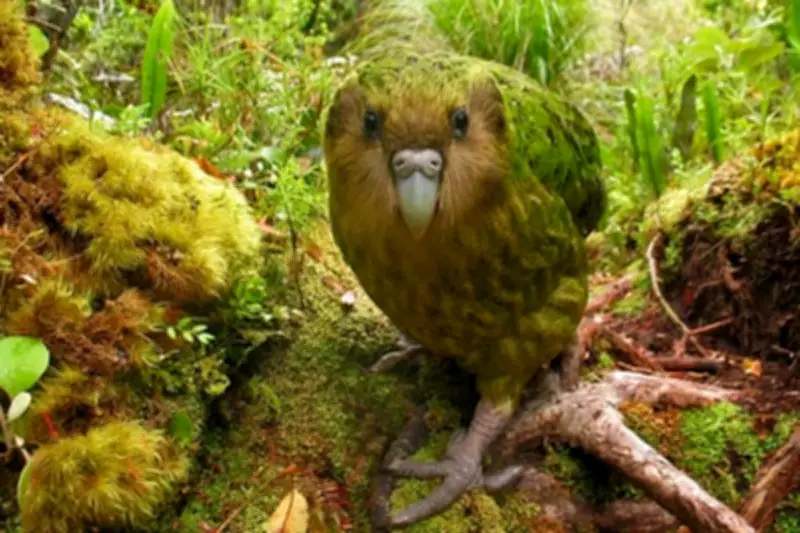
The kakapo is a majestic yet peculiar creature, with a lifespan of 60 to 80 years. Weighing over 3 kilograms (6.6 pounds), it features an owllike face, whiskers, and mottled green, yellow, and black plumage that camouflages it on the forest floor. However, its strong musky and fruity scent, described as "gorgeous" by experts, historically made it an easy target for predators introduced by humans.
Human arrival in New Zealand centuries ago brought rats, dogs, cats, and stoats, alongside hunting and habitat destruction, driving many flightless bird species, including the kakapo, to near extinction. By 1974, no kakapo were known to exist, but a new population was discovered in the late 1970s, sparking a dedicated conservation effort.
Peculiar Breeding Habits and Conservation Efforts
Reversing the kakapo's fortunes has been complex due to its unusual breeding patterns. Successful clutches of eggs occur only every two to four years, triggered by bumper crops of rimu fruit, last seen in 2022. Males attract females by emitting deep booming sounds and "chings" from dug-out bowls in the ground, a unique courtship ritual.
Conservationists have gone to extraordinary lengths to save the species, including:
- Relocating birds to predator-free offshore islands
- Micromanaging genetic diversity through careful breeding matches
- Equipping each bird with a backpack tracker for monitoring
- Using livestreams, like one showing kakapo Rakiura's nest, to engage the public
In a recent example, real eggs were swapped for fakes to be incubated indoors, then returned to the nest just before hatching, highlighting the precarious nature of the species' survival.
A National Symbol and Duty
For New Zealanders, the kakapo represents more than just a bird; it is a beloved national symbol in a country where birds reign supreme due to the absence of native land mammals. Deidre Vercoe, operations manager for the Department of Conservation's kakapo program, emphasizes, "We don't have the Eiffel Tower or the pyramids, but we do have kakapo and kiwi. It's a real New Zealand duty to save these birds."
Despite the progress, the kakapo remains critically endangered, with conservation efforts expected to continue for the foreseeable future. However, each breeding season brings renewed hope, as hands-on management eases and the species inches closer to a stable future.