The Independent's journalism is supported by our readers. When you purchase through links on our site, we may earn commission.
Chocolate Circuit Boards Offer 'Tasty' Solution to Mounting E-Waste Problem
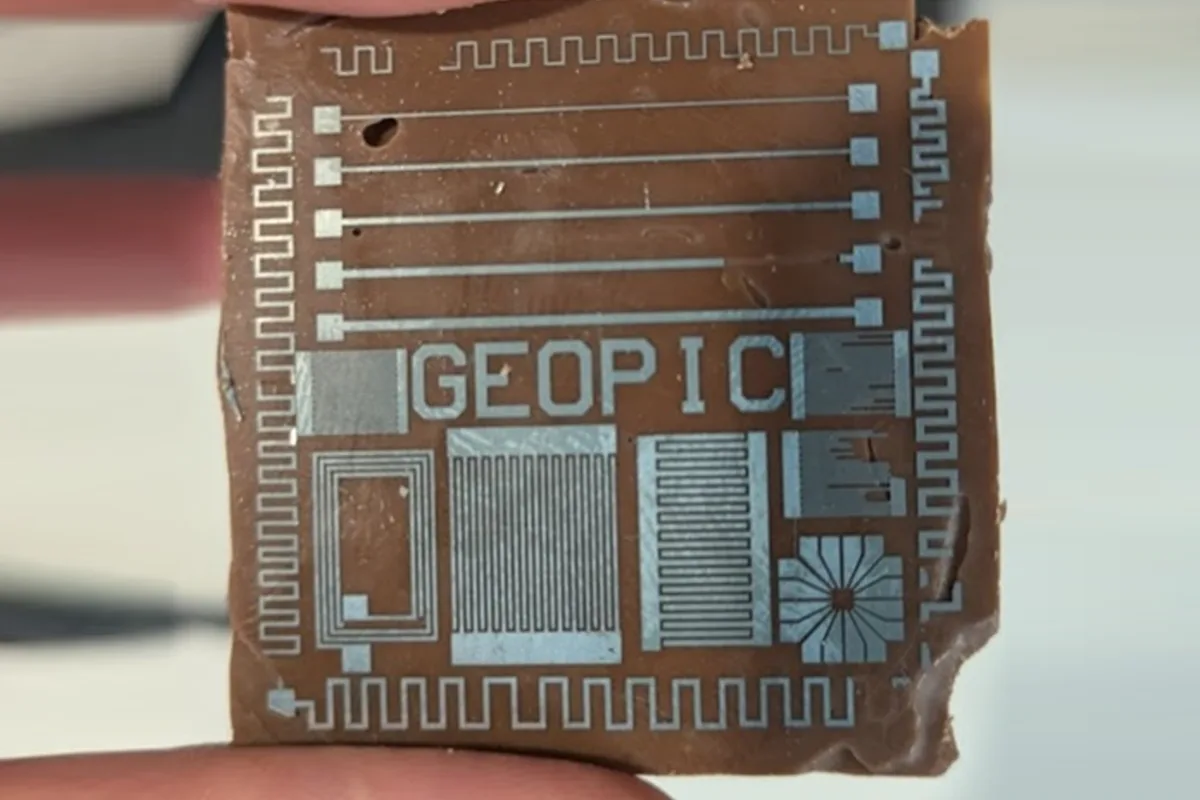
Engineers at the University of Glasgow have pioneered a revolutionary type of biodegradable circuit board that could dramatically reduce the environmental impact of electronic waste. This innovative environmentally-friendly design can be manufactured using sustainable materials including paper, bioplastics, and surprisingly, even chocolate, with all components capable of safe disposal through ordinary soil composting processes.
Breakthrough Printing Method Using Zinc
The technological advancement centres on a novel method of printing electronic circuits onto biodegradable surfaces using zinc as the conductive material, rather than the copper traditionally employed in conventional circuit board manufacturing. This zinc-based approach represents a significant departure from established production techniques while maintaining comparable performance levels to existing electronic components.
These innovative circuit boards have already undergone successful testing in various practical applications, including LED counters and temperature sensors, demonstrating their viability for real-world electronic devices. The research team has confirmed that the biodegradable boards perform at levels equivalent to their traditional counterparts while offering substantial environmental benefits at the end of their lifecycle.
Versatile Substrate Materials and Future Applications
Professor Jeff Kettle from the University of Glasgow's James Watt School of Engineering explained the remarkable versatility of their approach: "One key aspect of our work is that almost any substrate material can be used in the printing process, ranging from paper and bioplastics for more realistic applications, to chocolate for tasty but probably not very practical demonstrations."
The research team is currently exploring ways to adapt this innovative technique to other technological fields including mouldable electronics and biosensing applications. Professor Kettle added: "These areas could also benefit significantly from a cheap and versatile method to create high quality circuits with substantially reduced environmental footprints compared to conventional manufacturing approaches."
Addressing the Global E-Waste Crisis
This development provides a novel and timely solution to the escalating global problem of electronic waste. According to recent data from the United Nations Environment Programme, an estimated 62 million tonnes of electronics were discarded worldwide in 2024 alone, highlighting the urgent need for more sustainable approaches to electronics manufacturing and disposal.
The groundbreaking research has been published in the prestigious scientific journal Communications Materials, appearing in a paper titled 'Additively manufacturing printed circuit boards with low waste footprint by transferring electroplated zinc tracks'. This publication marks a significant milestone in sustainable electronics research and development.
Toward a Circular Electronics Economy
Dr Jonathon Harwell from the University of Glasgow's James Watt School of Engineering, who led the research initiative, emphasised the broader implications of their work: "This research demonstrates a major step toward achieving truly circular electronics, where devices are designed from the outset for reuse, recycling, or safe environmental degradation."
Dr Harwell further elaborated on the potential impact: "Discarded electronic devices already generate tens of millions of tonnes of waste annually across the globe, so our research could have far-reaching consequences for multiple sectors including consumer electronics, internet-of-things devices, and disposable sensors in the coming years."
The development of biodegradable circuit boards represents a promising advancement in sustainable technology, potentially transforming how electronic components are manufactured, used, and disposed of while addressing one of the most pressing environmental challenges of our digital age.