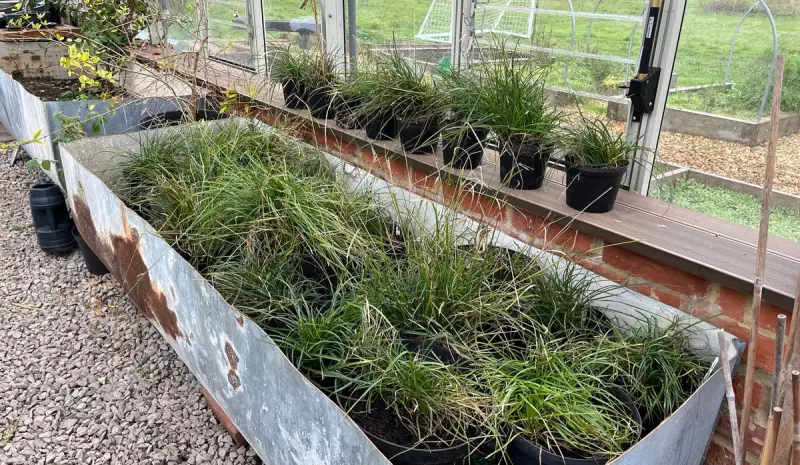
In a dramatic conservation effort, one of the United Kingdom's rarest plants has been plucked from the brink of extinction after it took a perilous turn onto a public footpath. The critically endangered starved wood-sedge, found at just two native sites in the UK, faced being trampled underfoot in Somerset, prompting an urgent rescue mission.
A Catastrophic Change of Address
For more than twenty years, the Species Recovery Trust has worked to protect the starved wood-sedge (Carex depauperata). Its fortunes took a worrying turn recently when a small cluster of plants at a site in Axbridge, Somerset, began growing directly on a public right of way. Dominic Price, director of the trust, described the move as "unfortunate and rather catastrophic," placing the plants "directly in harm's way from being trampled."
The plant, once considered the nation's rarest, now clings to survival in its native form only in Somerset and Surrey, a situation caused primarily by habitat loss and fragmentation. The decision was made to physically remove the vulnerable plants from the path and transfer them to the safety of a specialist nursery.

Nursery Care and Future Wilding
In captivity, the plants will be propagated and "bulked up" by carefully splitting the clumps. This process allows each section to mature fully, creating robust stock that can eventually be reintroduced to recolonise its original habitat. The trust's ambitions extend beyond this immediate rescue.
They plan to establish two new populations of the starved wood-sedge within the Mendip Hills National Landscape, a move designed to ensure its long-term survival away from public threats. The Mendip Hills team provided crucial funding for the Somerset project, with manager Jim Hardcastle stating that nature recovery is key to their work.
"At first glance this is quite an unassuming grass that many people will have walked past for years," Hardcastle said, "but it's still an important part of the ecosystem and deserving of our attention and support."
An Unassuming Plant with a Vital Role
Despite its grass-like, inconspicuous appearance, the starved wood-sedge plays a significant ecological role. It thrives in wetland environments like bogs, fens, and damp woodland edges. Its small flowers, which contain both male and female parts, attract a diverse array of insect pollinators.
Experts emphasise its broader importance in providing habitat for insects, amphibians, and birds, as well as helping to regulate water flow and recycle nutrients in delicate wetland ecosystems. Its loss would represent a further weakening of the UK's natural heritage.
This rescue forms part of the Species Recovery Trust's wider mission to remove 50 species from the edge of extinction in the UK by 2050. This ambitious target includes other vulnerable species such as the New Forest cicada, the green tiger beetle, field gentians, and marsh clubmoss.