
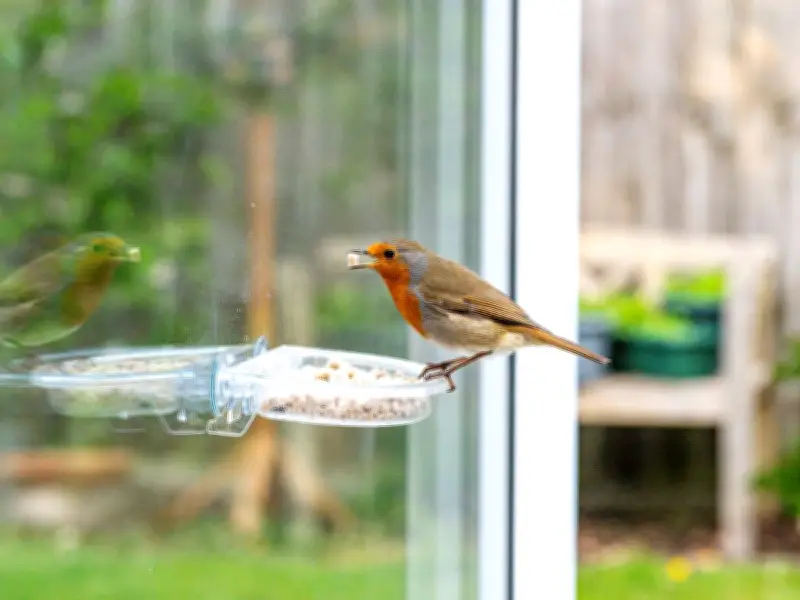
As the UK heatwave persists, it's not just humans feeling the strain—garden birds like robins and blackbirds are also struggling. The Royal Horticultural Society (RHS) warns that 43% of UK bird species risk extinction in coming decades, per the 2023 State of Nature report. To help, experts say the single most important action is providing water.
Why Water is Crucial in Summer
Bird food supplier Peckish explains: "Water is the most valuable commodity for birds in summer. Leave shallow trays of water out, especially during dry spells. Ponds are even better, as they need less topping up and provide insects." Sean McMenemy, wildlife expert at Ark Wildlife, adds: "Warm, stagnant bird baths can breed diseases like E. coli and Salmonella. Rinse baths daily and scrub weekly."
How to Set Up a Safe Water Source
Bird baths should be shallow—no more than 2-3 inches deep—with a rough surface for grip. Place them in a shady spot to slow evaporation and keep water cool. Change water daily to prevent mosquito breeding. During heatwaves, birds may visit multiple times a day for drinking and bathing.
Feeding Birds in Summer
While winter feeding is common, summer is equally important. Gardeners' World recommends high-energy foods like mealworms, suet, and fatballs. However, the RSPB advises against peanuts and seeds from May to October due to disease risk. Instead, offer live foods or clean feeders regularly. The RSPB notes: "In summer and autumn, there's higher disease risk but more natural food available."
Other Ways to Help
Plant native shrubs and flowers that produce berries and insects. Leave leaf litter and long grass for natural foraging. Avoid pesticides that harm birds and their food sources. With temperatures soaring, a simple dish of water can make the difference between life and death for garden birds.




