An epidemic spreading across Europe affecting some of Britain’s most ecologically-important trees may be over, as scientists have developed a fast-track method of breeding disease-resistant ash.
Ash Dieback Crisis
Ash dieback, a fungus which blocks water transport within ash trees, was first confirmed in Britain in 2012. The Woodland Trust estimates that the UK could lose up to 80 per cent of its ash population as a result, making the outbreak one of the most severe in modern times. Despite the scale of loss, a small population of ash trees remains, and scientists have been working to breed more resilient seeds.
Breakthrough at John Innes Centre
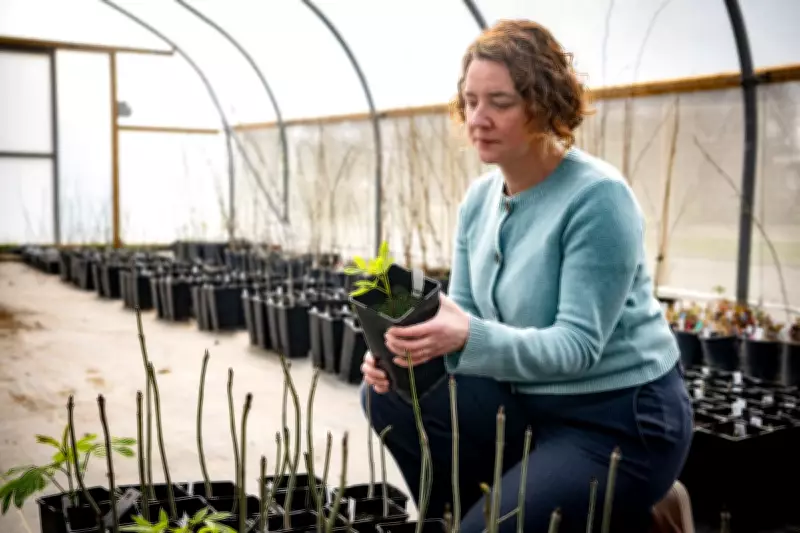
Researchers at the John Innes Centre in Norwich have now developed a fast-track method of breeding disease-resistant ash. It means that a process which can take up to six years in nature now only takes around one week in the lab. The rapid seed germination method has already produced more than 2,000 seedlings for trials and research. It has been welcomed by the international research community, and, with adaptations, could be adopted by landowners, conservation volunteers, and enthusiast gardeners.

Dr Elizabeth Orton, a John Innes Centre researcher and first author of the study, said: “Ash seed usually takes two to three years to germinate in the wild, and we have reduced this to about a week in the lab. We have produced hundreds of seedlings rapidly for experimentation, for our seed orchard or for planting in the wild.” She added: “We’ve had so much interest from both other researchers and from stakeholders keen to help restore ash populations. One of our next steps is to develop a kitchen method so that people can do this at home, using substances that you can purchase online such as household bleach and agar to treat the seed as part of the process.”
How the Method Works
The method, outlined in the study published in the Scandinavian Journal of Forest Research, involves carefully extracting the embryo from the seed coat using a knife and tweezers and placing it on an agar nutrient jelly to give this slow starter a helping hand. This process bypasses the seed’s natural dormancy, which normally requires cycles of warm and cold conditions. Within about two weeks, seedlings are ready to be transferred to compost; after ten months in a glasshouse, they can be planted outdoors.
Dr Orton added: “Climate change means that pests and pathogens can become established in previously unfavourable locations and the movement of infected timber and horticultural material means that we are in a race to protect keystone species such as ash. With this model we can restore natural resistance much quicker, not only in species such as ash but others such as elm.”