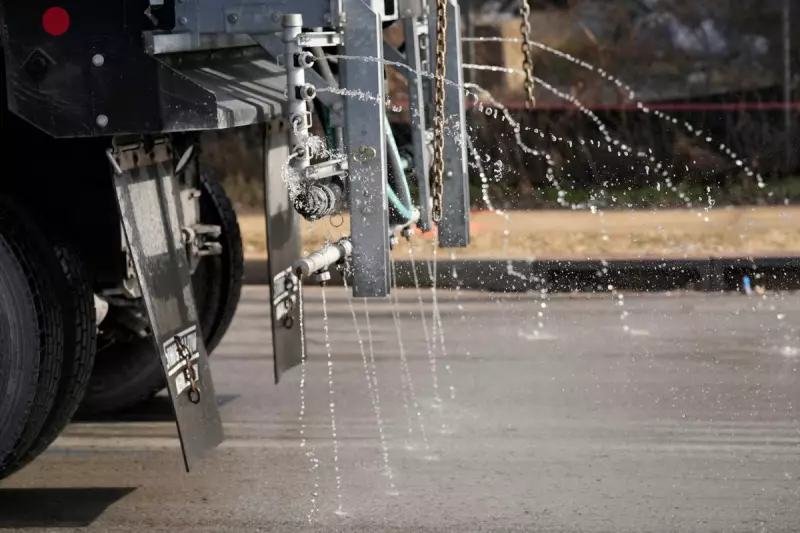
Winter Warning: The Hidden Dangers of Salt for Snow and Ice Clearance
As winter tightens its grip across the UK, households and councils are reaching for the familiar bag of rock salt to combat treacherous ice and snow. However, experts are issuing a stark warning: the widespread use of salt for de-icing comes with significant risks that many may not fully appreciate.
The Problem with Common Rock Salt
Rock salt, or sodium chloride, remains the most prevalent and economical choice for melting ice on driveways, pavements, and roads. Its low cost and accessibility make it a go-to solution during cold snaps. Yet, this common de-icer has critical limitations and detrimental effects.
Firstly, rock salt loses its effectiveness entirely when temperatures plummet below 15 degrees Fahrenheit (approximately -9 degrees Celsius), rendering it useless during the harshest winter conditions. Beyond its performance issues, the environmental and practical harms are substantial. It can damage concrete surfaces, leading to costly repairs, and poses a threat to pets, who may ingest it or suffer from irritated paws. Plants and local vegetation are also at risk, as salt runoff can degrade soil quality and harm ecosystems.

Exploring Alternative De-Icing Solutions
For those seeking more effective options in colder weather, chloride-based alternatives like calcium chloride and magnesium chloride are available. These compounds work at lower temperatures than traditional rock salt, but they come with their own set of challenges. They are typically more expensive and still carry environmental and corrosive risks, potentially damaging vehicles and infrastructure over time.
In response to growing environmental concerns, several greener alternatives have emerged:
- Calcium manganese acetate: A less corrosive option that is kinder to plants and animals, though it can be costlier.
- Beet juice blends: These biodegradable mixtures reduce the amount of salt needed and lower the freezing point of water, but they may leave stains and have a distinct odour.
- Innovative starfish-derived de-icers: A cutting-edge solution harnessing natural compounds, though availability and cost may limit widespread use.
Additionally, abrasives such as sand or gravel can be used to improve traction on icy surfaces. However, these materials are not without drawbacks; they can accumulate in soil, affecting plant growth, and may harm freshwater ecosystems if washed into waterways.
Best Practices for Safe and Effective Snow Management
Experts emphasise that a proactive and mindful approach is key to managing snow and ice while minimising harm. Effective strategies include:
- Proactive shovelling: Clearing snow promptly before it compacts into ice reduces the need for de-icers.
- Considering ground temperature: Applying de-icers when temperatures are most conducive to melting can enhance efficiency.
- Applying de-icers sparingly: Using the minimum amount necessary helps protect the environment, pets, and property.
- Rinsing vehicles promptly: After a snowstorm, it is crucial to wash salt off cars to prevent corrosion and damage.
By adopting these practices, individuals and communities can navigate winter hazards more safely and sustainably, balancing effectiveness with environmental responsibility.