
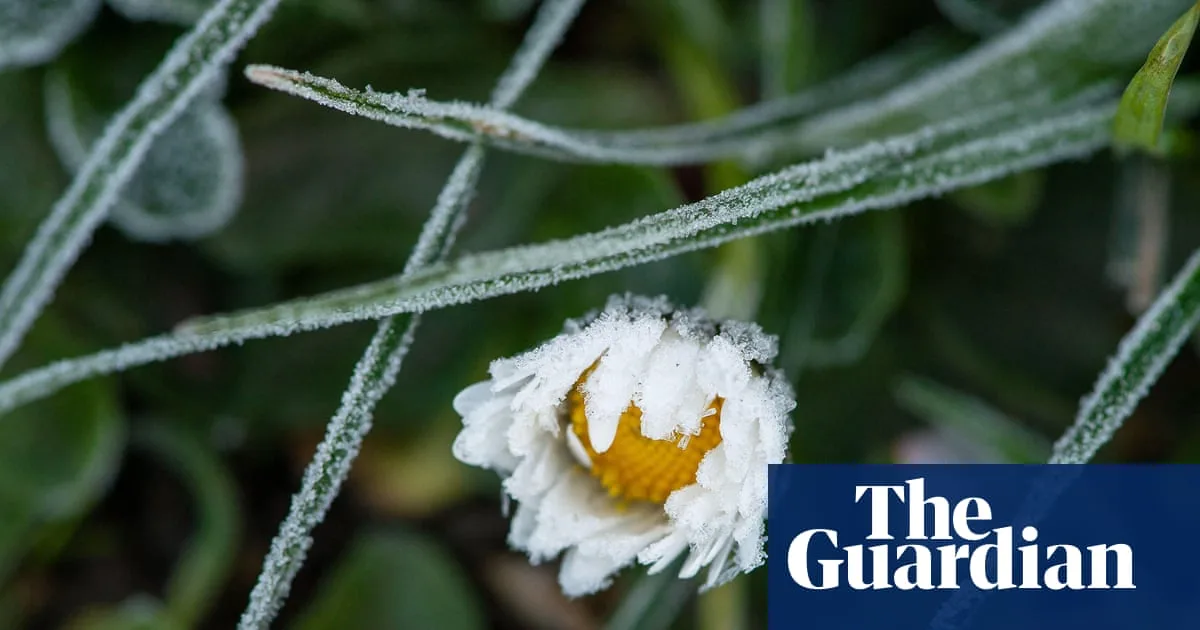
Daisies and dandelions are among hundreds of native plant species blooming in the UK this winter, a phenomenon scientists describe as a “visible signal” of climate breakdown disrupting the natural world.
Analysis by the Met Office of data from the annual New Year’s plant hunt over nine years shows an extra 2.5 species in bloom during the New Year period for every 1C rise in temperature in the preceding November and December. This year’s hunt, running from Thursday to Sunday, recorded 310 native species in flower, far exceeding the 10 typically expected, according to the Botanical Society of Britain and Ireland (BSBI). Including non-native species, 646 flowering species were counted.
Kevin Walker, a scientist at the BSBI, said the trend was a visible sign of climate change observable in people’s gardens. “This new analysis shows a very clear link between rising temperatures and impacts on our plant species. This is yet further evidence that climate change is affecting our wildlife indiscriminately,” he said.
Fossil fuel pollution has heated the planet by about 1.4C above preindustrial levels, worsening weather extremes and disrupting habitats. The Met Office recently stated that 2025 is likely to be the UK’s hottest year on record. Debbie Hemming, a vegetation expert at the Met Office, described the findings as “tangible evidence” that climate breakdown directly influences the world around us, shifting natural cycles of plants and wildlife.




