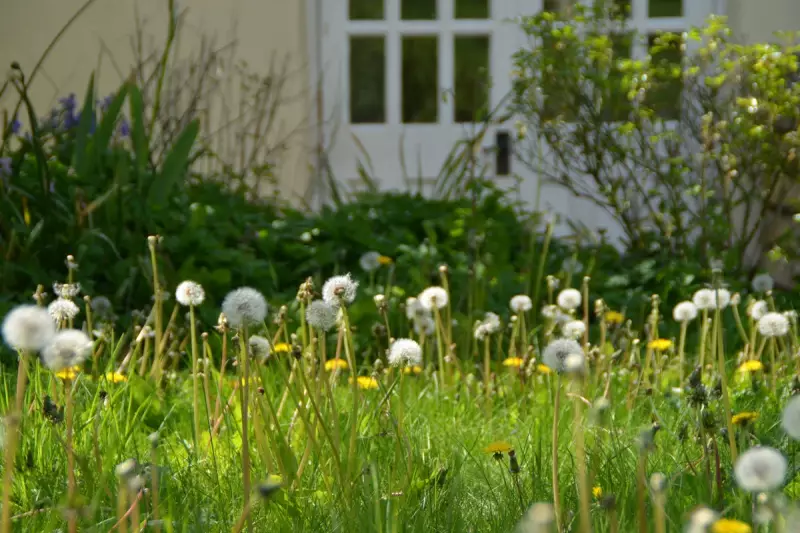
Hundreds of Britain's native plant species, including common daisies and dandelions, are now flowering during the winter months, providing what experts describe as a stark and visible signal of climate change in action across the UK.
A Clear Link Between Temperature and Blooms
Compelling new evidence from an annual plant hunt coordinated by the Met Office reveals a direct and significant relationship between warmer temperatures and increased plant flowering. The analysis shows that for every 1°C rise in temperature at a specific location, an average of 2.5 additional plant species are found in bloom.
This phenomenon was strikingly evident during the New Year period in 2025. A study recorded 310 native species in flower, a number that the Botanical Society of Britain and Ireland (BSBI) states vastly exceeds the typical 10 species expected for that time of year. When non-native species are included, the total figure rises to an astonishing 646 different plants in bloom.

From Gardens to Wild Spaces: The Tangible Evidence
Among the flowers observed were familiar garden and roadside plants such as daisies, groundsel, dandelions, White and Red Dead-nettles, and Mexican Fleabane. Kevin Walker, a scientist at the BSBI, emphasised that this is not a remote event but a change people can witness firsthand.
"This is a visible signal of climate change that people can see in their own gardens," Walker stated. "This new analysis shows a very clear link between rising temperatures and impacts on our plant species. It is yet further evidence that climate change is affecting our wildlife indiscriminately."
The findings arrive alongside the Met Office's announcement that 2025 was likely the UK's hottest year on record. The persistent warm weather and lack of rainfall have raised concerns about increased vulnerability to droughts and wildfires in the coming spring and summer.
Shifting Natural Cycles: The Broader Impact
Debbie Hemming, a vegetation expert at the Met Office, characterised the data as "tangible evidence" that climate breakdown is directly reshaping the natural world. "These findings underscore how rising temperatures and increasing climate extreme events are shifting the natural cycles of our plants and wildlife," she explained.
The widespread winter blooming illustrates a fundamental disruption to seasonal rhythms. Scientists warn that such shifts can have cascading effects on ecosystems, potentially disturbing insects, birds, and other wildlife that depend on plants for food and habitat at specific times of the year.
This botanical shift serves as a clear, ground-level indicator of the broader environmental changes underway, turning the UK's winter landscape into an unexpected and concerning display of a warming climate.