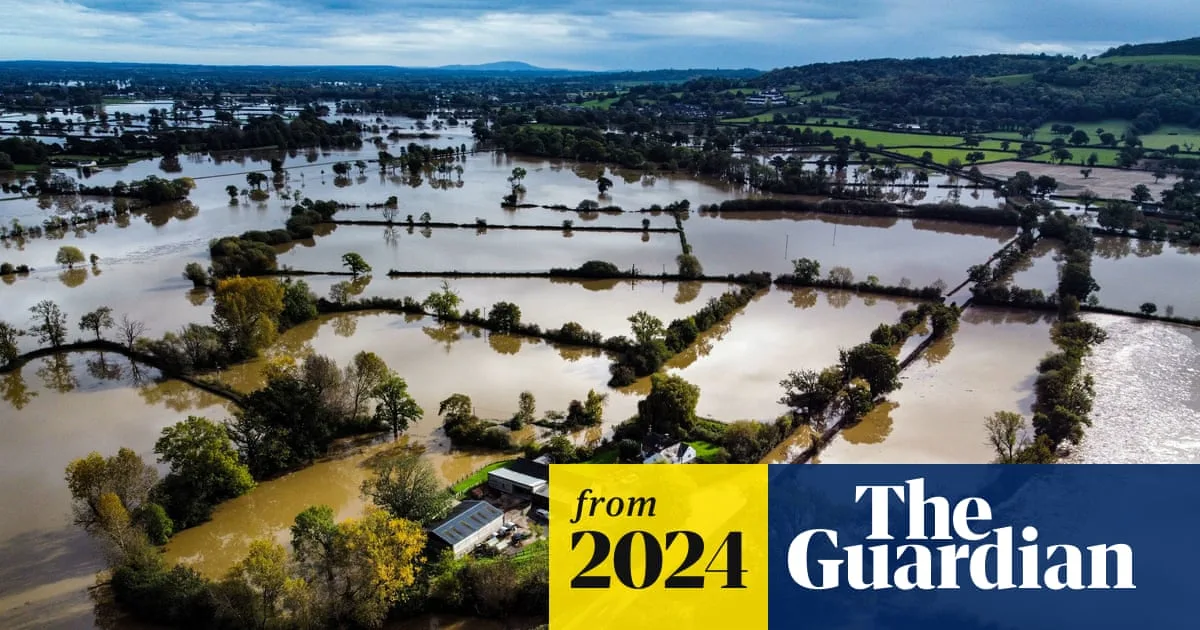
UK Faces Weather Whiplash: From Drought to Deluge, Farmers and Families Struggle
Weather Whiplash Hits UK: Floods and Farming Crisis

Weather Extremes Plague UK: From Drought to Devastating Floods

The United Kingdom is experiencing dramatic weather whiplash, with severe swings from drought to persistent rain leaving families battling flooding and farmers confronting another disastrous year. According to the Met Office, this winter will be remembered for its "relentless rain," with provisional data confirming exceptionally wet conditions across much of the nation.

Record Rainfall and Flood Warnings

Since November 1st, the Environment Agency has issued a staggering 814 flood warnings, including three severe alerts, alongside 2,562 flood alerts. This marks a stark reversal from 2025, which saw record dry and warm conditions trigger widespread drought, hosepipe bans, and significant impacts on agriculture and wildlife.

Mike Kendon, a senior Met Office scientist, noted that while this winter did not break national rainfall records, it will be remembered for its "relentless rain as much as its intensity." He explained, "A near-continuous run of Atlantic systems over the past three months has brought persistent rain, damaging storms and few dry spells."

The statistics reveal a mixed picture: England experienced 35% more rain than the long-term average, Wales saw 14% more, and Northern Ireland 25% more. However, Scotland's levels were 16% below average. Notably, Devon and Cornwall endured their second wettest winter on record, while southern England had its seventh wettest.

Farmers Bear the Brunt of Climate Volatility

For the agricultural sector, the extreme weather fluctuations over the past two years have devastated incomes and mental health. Rob Addicott, a mixed farmer near Bath, described the conditions as "awful for us," highlighting the financial and psychological toll of seeing fields submerged rather than productive.

"The worrying thing for me as a farmer is the frequency of these extreme weather events, whether it’s hot or wet," Addicott told the Press Association. "This year’s been okay, but the previous two years we’ve had to re-establish failed crops because of poor weather conditions. It has a financial cost and also has the cost to your mental health every day."

Mark Humphry, a dairy farmer in Somerset, reported losing about 30 acres of grass, with two fields yielding nothing since October 2023 due to drought followed by flooding. He estimated £30,000 in extra feed costs last summer alone, stating, "I don’t believe that last winter was a one-off. It might become a two-in-five-year occurrence. We’re going to have to adapt, and that’s going to be expensive."

Calls for Government Action and Systemic Change

Tom Bradshaw, president of the National Farmers’ Union, emphasized that rapid weather shifts are "placing huge pressures on farmers and growers." He urged the government to prioritize food security by investing in climate adaptation, water infrastructure, resilient crop varieties, and planning reforms to better manage water resources.

Martin Lines, chief executive of the Nature Friendly Farming Network, argued that the vulnerability of the UK's food system demands "radical thinking about how food is produced." He asserted, "If farms are going to thrive in these volatile and difficult conditions, transitioning to nature-friendly approaches is absolutely vital."

An Environment Department spokesperson responded, stating the government is helping farmers build resilience through farming schemes, the National Drought Group, and the Floods Resilience Taskforce, with £91 million allocated to internal drainage boards.

Community Resilience and Ongoing Challenges

Hannah Baker of Groundwork South Trust, which aids communities in flood defense, observed, "Sadly, serious flooding has become a way of life for so many people, particularly those within rural communities. Every positive action, whether it be seeking the use of a tractor to help residents evacuate or having an emergency flood kit ready, can have a huge impact."

The final drought-stricken areas of England only moved to recovery status in January due to the wet conditions, which ironically triggered repeated flood warnings elsewhere. This cycle underscores the urgent need for comprehensive strategies to mitigate the impacts of climate-driven weather extremes on both urban and rural populations across the UK.




