
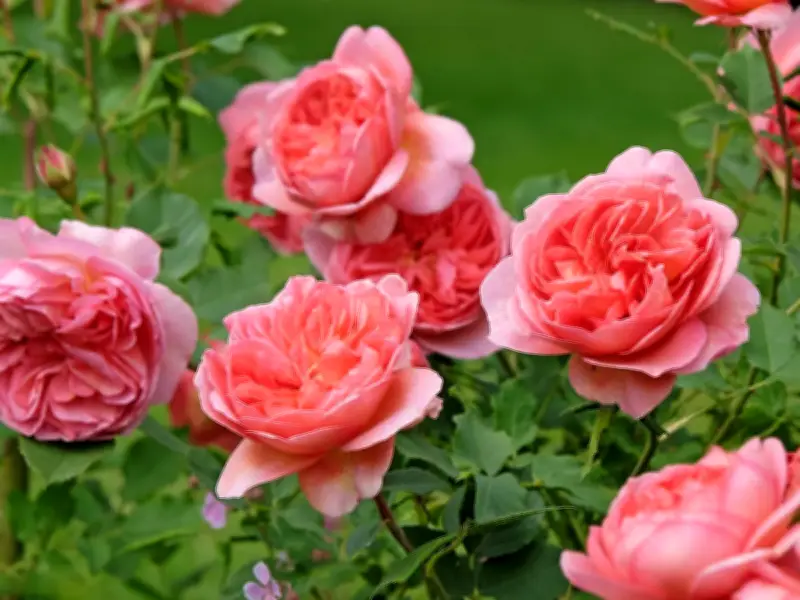
The Royal Horticultural Society (RHS) has urged gardeners to water roses in the morning to reduce the risk of fungal diseases such as mildew and black spot. According to the RHS, watering in the morning allows foliage to dry throughout the day, minimizing the chance of infection.
Why Morning Watering Is Best
Roses are water-dependent plants that require consistent watering, especially during summer. Deep, regular watering helps roses produce more blooms. In hot conditions, plants lose moisture rapidly, leading to wilting and stunted growth. Roses in pots lose moisture even faster. The RHS emphasizes that watering in the morning reduces evaporation, ensuring roots absorb more water.
Watering during the hottest part of the day can cause water droplets on foliage to burn the plant. If morning watering is not possible, the RHS recommends waiting until late evening after sunset, though this may attract slugs that can damage other garden plants.
Proper Watering Technique
The RHS advises directing water onto the soil around the base of the plant, avoiding foliage and flowers. This practice helps deter fungal diseases and prevents excess water use. Established roses should be watered once a week during dry spells, with a thorough soaking rather than frequent light watering.
Regular feeding throughout the growing season can also extend the blooming period of roses. The RHS states: "When watering, direct the flow onto the soil around the base of the plant, avoiding the foliage and flowers. This also helps to deter fungal diseases and avoid excess water use."




