
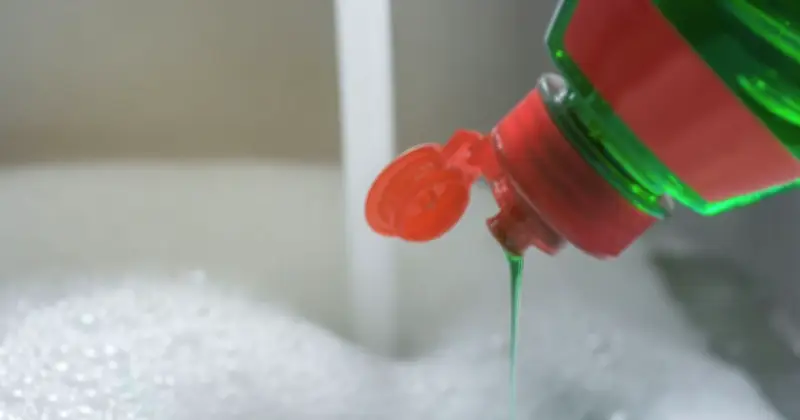
UK households are being urged to reconsider their choice of washing-up liquid in 2026, as experts warn that both the chemical ingredients and plastic packaging can cause significant environmental harm. Every time dishes are washed, surfactants and fossil-fuel derivatives from mainstream brands can flow into sewers and eventually reach rivers and oceans, endangering marine ecosystems.
Harmful Chemicals in Conventional Washing-Up Liquids
According to Sustainably Lazy, most mainstream washing-up liquids contain surfactants derived from fossil fuels. These active ingredients strip grease from dishes but do not break down harmlessly after use. The company warned: "Mainstream brands use fossil fuel-derived surfactants, many of which end up in rivers and harm aquatic life."
Ethical Superstore echoed this concern, highlighting that sodium lauryl sulphate (SLS) is a common surfactant in conventional products. SLS reduces water surface tension to create foam but persists in waterways after going down the drain. "SLS doesn’t just dissolve away to nothing when it’s used. After it goes down the plughole it can end up lingering in our waterways, endangering marine life and doing untold damage to the ecosystem," the retailer stated.
Scientific Evidence of Toxicity
A study published in the Journal of Applied Microbiology confirmed the dangers of surfactant accumulation in aquatic environments. Researchers noted: "Surfactants are capable of penetrating the cell membrane and thus cause toxicity to living organisms. Accumulation of these compounds has been known to cause significant gill damage and loss of sight in fish." The study emphasised that surfactants are inevitable in household and industrial use, but their discharge into water bodies poses a serious threat.
Plastic Bottle Pollution
Beyond the chemicals, the plastic bottles themselves contribute to the UK's waste crisis. The UK generates more than 170 million tonnes of waste annually, yet only one-third of plastic packaging is recycled. A stark example came from Burnham Coastguard Rescue Team, which in 2018 discovered a 47-year-old washing-up liquid bottle on a beach that had not biodegraded. The team urged people to "try and reduce our day-to-day plastic use, which is difficult with current manufacturing."
Sustainable Alternatives to Traditional Bottles
For environmentally conscious consumers, several alternatives exist. Fairy, a leading brand, offers a refill carton priced at £4.50 at Ocado, which can refill a standard 370ml Fairy bottle "more than twice." Fairy claims the refill saves up to 85% of plastic compared to buying new bottles, and the carton is recyclable. The company states: "Fairy Max Power antibacterial washing up liquid refill carton allows you to refill your 370ml upside-down bottle more than twice and helps you to save up to 85% of the plastic."
Other options include solid washing-up liquid bars, which perform better in soft water areas, and plant-based, refillable liquid alternatives from eco-friendly brands. These products aim to reduce both chemical runoff and plastic waste, offering a more sustainable dishwashing routine.




