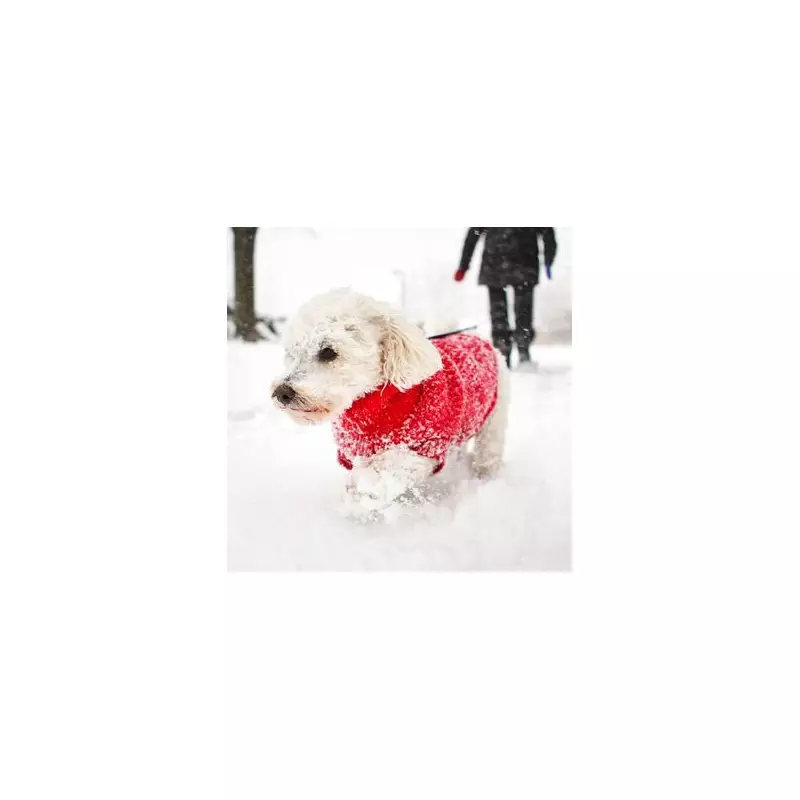
As January's icy grip tightens across the UK, with snow already blanketing parts of the nation, a veterinary expert has issued crucial guidance for dog owners. The plummeting temperatures pose a significant risk to our canine companions, and knowing when it's safe to venture out is essential for their welfare.
The Vet's Temperature Safety Guide
Veterinary surgeon Dave, speaking on behalf of the Pet Health Club, has provided a clear, temperature-based framework to help owners make safe decisions. He states that 15°C is the "perfect temperature" for a dog walk. As the mercury drops, caution must increase.
Between 7°C and 4°C, most dogs are fine, but small breeds, puppies, or dogs with thin coats may require a protective jacket. The zone from 4°C down to -1°C becomes potentially unsafe for short-haired, small, young, or elderly dogs. In these conditions, walks should be limited and owners must watch closely for signs of hypothermia.

Dangerous and Life-Threatening Cold
The risks escalate dramatically in more severe frosts. Temperatures from -4°C to -9°C, while less common in the UK, are potentially life-threatening, particularly for vulnerable dogs. The danger is compounded if the dog's coat becomes wet.
When the thermometer plummets to -12°C and below, this presents a "severe risk to all dogs." At this point, outdoor time should be restricted to brief toilet breaks only. Dave emphasises that practical coats and boots for dogs can be invaluable during such cold spells.
Key Factors Beyond the Thermometer
While the broad veterinary advice is to avoid walks at around -4°C or lower, several individual factors must be considered. A dog's breed, size, age, and overall health are paramount. Wind chill can make conditions feel far colder than the air temperature suggests, intensifying the risk of cold-related injuries.
Smaller breeds, short-coated dogs, puppies, and seniors generally need less exposure to the cold and may need to stay indoors during particularly harsh weather. Conversely, larger breeds with dense, double coats may tolerate slightly lower temperatures for longer. Owners of dogs with pre-existing medical conditions must be especially vigilant.
Ultimately, this expert guidance serves as a vital tool for responsible pet ownership during the winter months. By understanding these temperature thresholds and observing their individual dog's response to the cold, owners can ensure their beloved pets stay safe, warm, and healthy throughout January and beyond.