
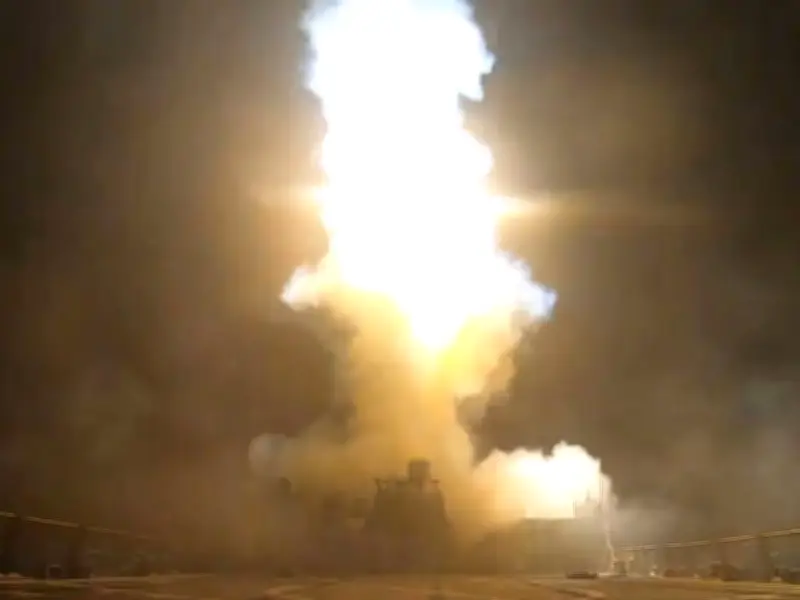
US Central Command (CENTCOM) has executed a third round of strikes this week against Iranian forces in the Strait of Hormuz, further diminishing hopes for a peace agreement between the two nations. The strikes, announced on Sunday evening, July 12, are aimed at degrading Iran's capacity to target civilian mariners and commercial ships transiting the strategic waterway.
Details of the Latest Strikes
In a statement on X, CENTCOM confirmed: "At 5 p.m. ET today, U.S. Central Command forces began launching more strikes against Iran to continue degrading their ability to attack civilian mariners and commercial ships freely transiting the Strait of Hormuz." The Commander in Chief directed the strikes to hold Iranian forces accountable.
Earlier on Sunday, the US launched strikes on over 100 locations in Iran following a missile attack on a container ship in the strait. The crew was forced to evacuate as the vessel caught fire. Iran also conducted strikes on targets in Bahrain, Kuwait, Qatar, the United Arab Emirates, and Oman.
Background of the Conflict
The conflict began on February 28 with joint US-Israeli attacks on several crucial Iranian sites. In response, Iran shut down the Strait of Hormuz, a vital trade route through which 20% of all globally traded oil passes. CENTCOM revealed it had struck approximately 140 targets, including missile and drone launch sites, ammunition stores, and communication equipment.
The ceasefire agreement collapsed last week after Iran assaulted three gas and oil vessels in the strait. US President Donald Trump announced the deal was off on Tuesday, July 7, in response to Tehran's missile attacks on the ships.
Impact and Outlook
The latest strikes represent the most recent episode in the ongoing conflict, with no immediate signs of de-escalation. The US aims to continue degrading Iranian capabilities, while Iran has shown no willingness to reopen the strait without concessions. The situation remains volatile, with global oil markets closely monitoring developments.




