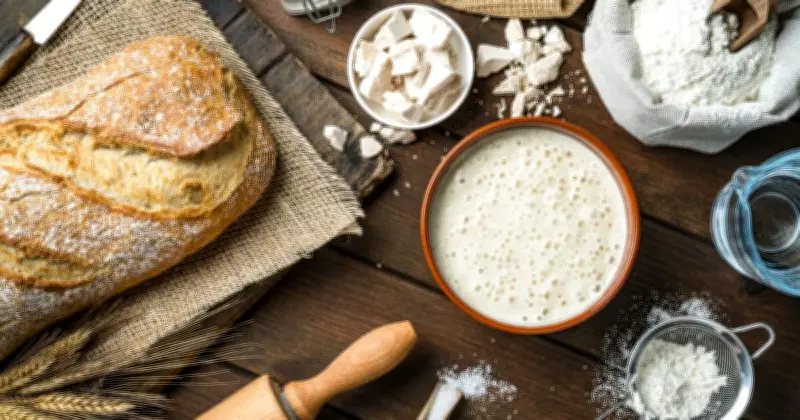
Yeast is one of the smallest ingredients used in baking, but it has one of the biggest impacts. It feeds on sugars in dough and produces carbon dioxide, causing bread and other baked goods to rise and develop their flavour and texture. Without yeast, breads, pizzas and sweet pastries would be dense and lacking the light, airy crumb that is so important.
Although many simply buy yeast without giving it much thought, several varieties are available in supermarkets, each with its own characteristics and best uses. Understanding the different types can help bakers achieve more consistent results.
Common Types of Baking Yeast
Although baking yeasts perform the same basic job, they are processed differently, affecting how they are used in recipes. The two most commonly used dried yeasts are active dry yeast and instant yeast. Other varieties include fresh, rapid-rise or bread machine yeast, but active dry and instant are the types most commonly used in UK kitchens.
What is Active Dry Yeast?
Active dry yeast has been around for decades and remains a popular choice for home bakers. It consists of relatively large granules containing dormant yeast cells, protected by a layer of dried, inactive cells.
Before use, active dry yeast is traditionally dissolved in warm water, typically between 38°C and 43°C. This process, known as blooming, wakes the yeast and confirms that it is still alive before it is mixed with other ingredients.
If you skip the blooming process, several things can happen. In some recipes, particularly those with lots of water, the yeast may still hydrate on its own and work successfully. However, because the larger granules of active dry yeast take longer to hydrate than instant yeast, they may not activate as evenly when added directly to the dry ingredients.
What is Instant Yeast?
Instant yeast is a relatively new development that has become increasingly popular for its convenience. Its granules are much finer than active dry yeast and contain a higher percentage of live yeast cells.
Unlike active dry yeast, instant yeast can usually be mixed directly with the flour without first dissolving and blooming it with water. It activates rapidly upon contact with moisture in the dough. This means there are shorter rising times and faster fermentation.
Substituting One for the Other
In most recipes, they can be substituted for one another. However, because instant yeast is slightly more efficient, many bakers reduce the amount by around 25% when replacing active dry yeast. The best choice depends on your baking style; if you enjoy making traditional bread and like confirming your yeast is active before mixing, active dry yeast is an excellent choice. If convenience and speed are priorities, instant yeast is often the better choice.