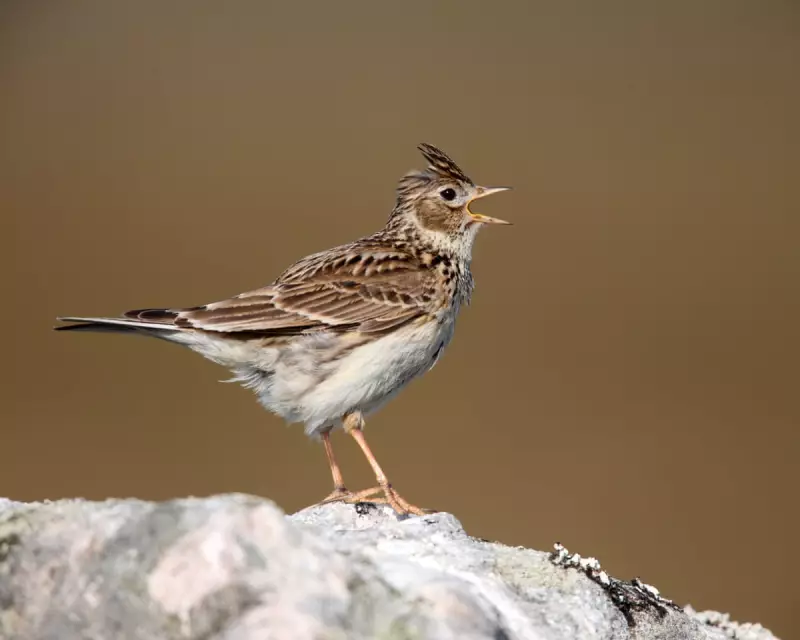
Across the UK's unusually mild winter landscapes, an unexpected sound is breaking the seasonal silence: a chorus of birdsong. Species including the skylark and song thrush are singing in December, a phenomenon more commonly associated with the spring breeding season, prompting questions about its cause.
A Chorus Out of Season
December in Britain is typically a quiet month for avian melodies, with most birds focused on survival during the short, cold days. However, recent spells of unseasonably warm and mild weather have disrupted this norm. Observers across the country have reported hearing several species practising their songs, albeit not with the full force of a spring performance.
Robins, which defend territories year-round, are familiar winter songsters, their delicate tunes brightening grey days. They have been joined by wrens, a species now singing in winter more frequently than in past decades. In Somerset, the loud and cheerful phrases of the song thrush have become a recent addition to the mild December soundscape, though its relative, the blackbird, largely remains silent. Notably, on coastal areas, overwintering skylarks have been heard delivering brief, spirited bursts of song.

A Record-Breaking December Day
The current activity has yet to surpass a notable record set on a surprisingly warm and sunny afternoon in late 2015. On that exceptional day, an observer noted no fewer than seven species in song. The typical winter voices were accompanied by a dunnock, a goldcrest, a chiffchaff, and the explosively loud Cetti’s warbler.
Harbinger of Spring or Climate Siren?
This charming disruption to the winter quietus carries a more profound and worrying question. Are these birds simply practising for a distant spring, tricked by a few warm days, or are their songs an audible warning of a destabilising climate? The consistent pattern of mild Decembers facilitating this behaviour suggests a deeper environmental shift.
While the music provides momentary delight for nature enthusiasts, it underscores a broader ecological concern. These behavioural changes in species like the wren and skylark are potential indicators of the wider impacts of global warming on UK wildlife patterns. The unseasonal chorus serves as a reminder that the natural world's rhythms are being fundamentally altered.