The Bank of England's recent warning that food inflation could reach 7% by the end of the year has laid bare how little protection exists between a geopolitical shock and a domestic crisis in Britain. A disruption in the Gulf region cascades through energy, fertiliser, and supermarket prices, ultimately leading to falling incomes, weak growth, and job losses. This reveals not just inflation but a system incapable of absorbing disruption.
The Limits of Monetary Policy
The Bank is correct in stating that interest rates cannot influence global energy prices. Raising rates does not resolve the shock; instead, it redistributes the impact by compressing wages and deterring investment to prevent higher costs from becoming entrenched. What appears as inflation is, in reality, the price of dependence on the Strait of Hormuz. Clearly, the UK's stability rests on security that the country has yet to embed into its infrastructure.
Britain is not weak, but it is exposed. Its key sectors—finance, energy, data, and food—are tightly interconnected and operate on thin margins. If fertiliser is so critical, why does the UK hold no reserves? Because efficiency has been prioritised over resilience, and buffer stocks are considered wasteful. Europe once invested in building resilience into its food system; it may need to do so again.
Digital Vulnerabilities
The more interconnected modern life becomes, the more vulnerable it is. Last year, security researchers demonstrated how a poisoned calendar invite could hijack Google's Gemini AI chatbot to control lights, shutters, and boilers in a home. In the hands of a hostile state, such exploits could bring Britain to a standstill. National security now depends on the integrity of civilian digital infrastructure.
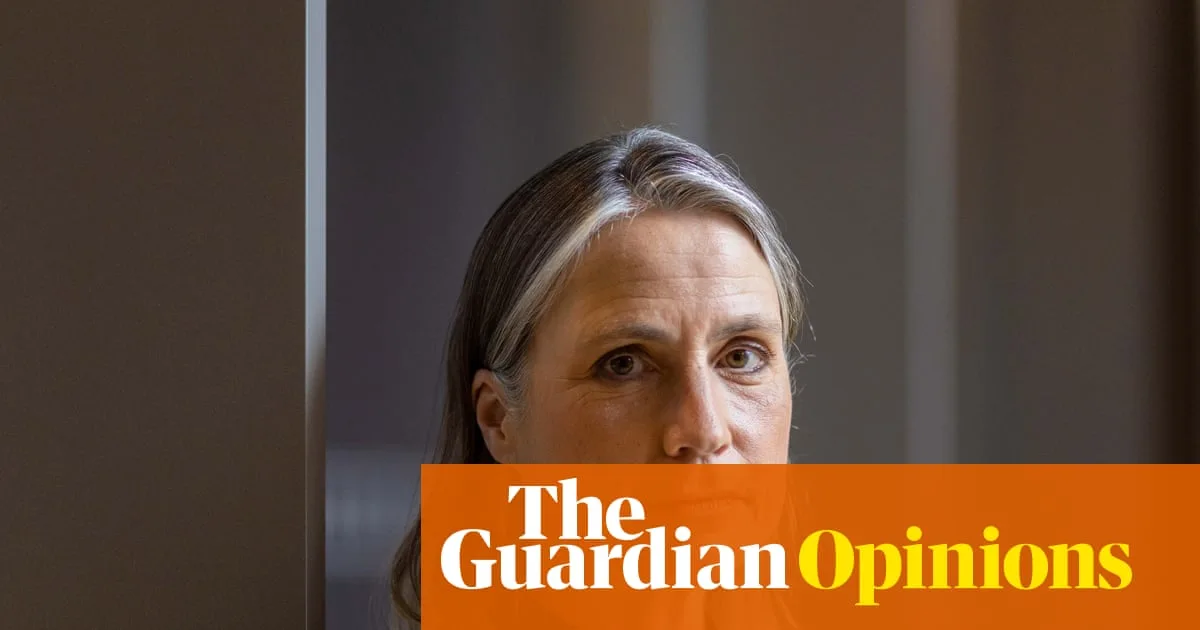
This message was echoed in a speech by Fiona Hill, one of the co-authors of the UK's 2025 Strategic Defence Review. She warned that the public is already exposed to forms of war, but people do not recognise them as such. The systems that sustain daily life—including communications and healthcare—are vulnerable to disruption from hacking, subversion, and economic coercion.
Reframing National Security
Ms Hill argued that citizens should be prepared for privation or participation, but not for trench warfare. She sought to refocus on contemporary threats, noting that the UK has already experienced sabotage and cyber-attacks by Russia. She stated that the UK homeland is back on the pitch as the rules-based order is dismantled by Donald Trump and the US retreats from guaranteeing European security. The challenge is to confront rising instability and shift the public mindset without turning society into a security project.
Instinctively, the world feels better when butter is preferred over guns. But such a choice may belong to an earlier era. In a world of hybrid warfare, the distinction between civilian welfare and national defence is rapidly eroding. The question is no longer whether to prioritise butter or guns, but how to defend the systems that make both possible.
The Need for a Political Narrative
Ms Hill's approach requires a political narrative that Britain currently lacks—one that links security to the economy and everyday life. Ed Miliband, the energy secretary, has come closest to developing such a narrative. UK politics is largely focused on the cost of living, NHS waiting lists, and immigration, rather than resilience or systemic risks. Without a shift, the policies Ms Hill advocates risk appearing abstract or alarmist. This would make it harder to build public consent for the structural changes her speech implies.