
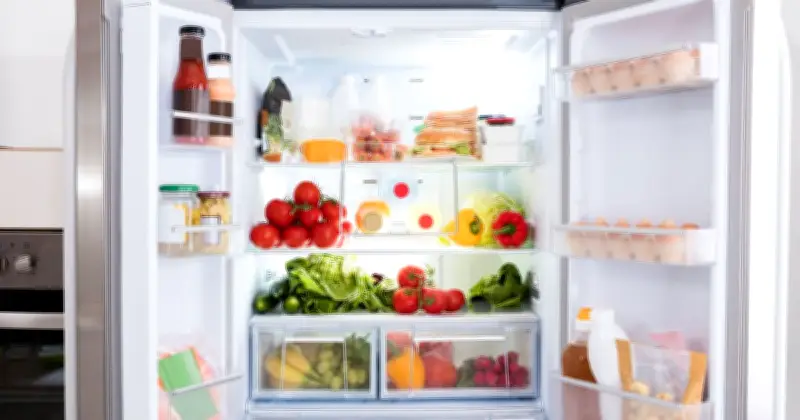
The British Heart Foundation (BHF) has urged Britons to stock up on two supermarket staples—water and cold foods—ahead of a weekend heatwave expected to push temperatures above 30°C across much of the UK. The charity warns that prolonged hot weather can put extra strain on the heart, lungs, and kidneys, particularly for vulnerable groups.
Heatwave Forecast and Health Risks
Temperatures are forecast to remain high through the weekend and into next week, with many areas seeing highs above 30°C. The BHF notes that the body must work harder to maintain a normal core temperature in such conditions, which can affect vital organs. Older people over 75, very young children, and those with long-term conditions such as heart disease, lung disease, kidney problems, diabetes, and Parkinson's disease are most at risk.
Why Water and Cold Foods Are Essential
The BHF recommends keeping two staples at home: plenty of cold drinks and cold foods. Water is best, but low-fat milk, sugar-free drinks, tea, and coffee also count. The charity advises limiting tea and coffee to 3–5 cups per day or switching to decaffeinated versions. Cold foods like salads and fruit have a higher water content and provide vitamins and minerals. The BHF suggests freezing healthy snacks, such as blended banana and milk, or making ice cream from frozen fruit.
How Heat Affects the Body
According to the BHF, the body naturally widens blood vessels to cool down, causing the heart to beat faster. This can raise heart rate and lower blood pressure, leading to dizziness or lightheadedness. Drinking plenty of fluids helps prevent blood pressure from dropping too much. People with heart failure or those taking water tablets who feel dizzy should consult their GP.
Additional Cooling Tips
The charity advises keeping homes cool by closing curtains or blinds when it is hotter outside, opening windows in the evening, staying out of the sun between 11am and 3pm, wearing light loose-fitting clothing, carrying water when out, and avoiding strenuous exercise. If someone feels unwell in the heat, they should move to a cool place, lie down with feet slightly raised, drink water, and cool their skin with a shower, fan, or ice packs. If symptoms persist, contact NHS 111 or a doctor. For signs of heat stroke, call 999 immediately.




